Comfortable Homes for Family Living
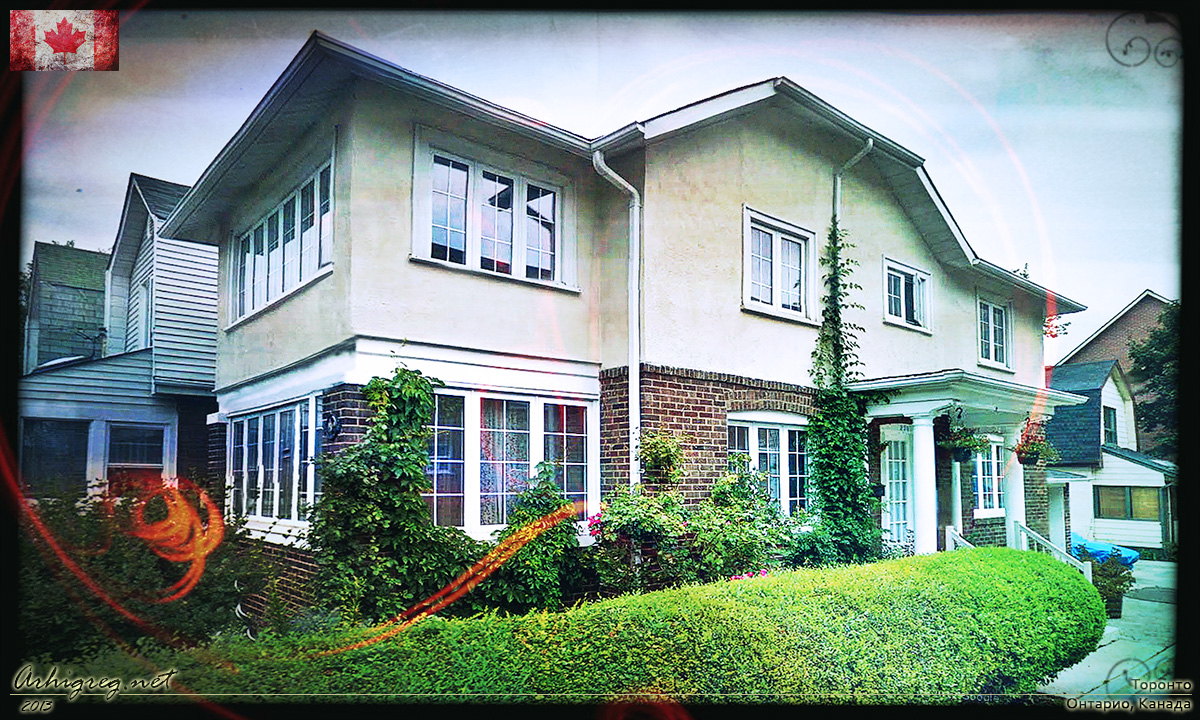
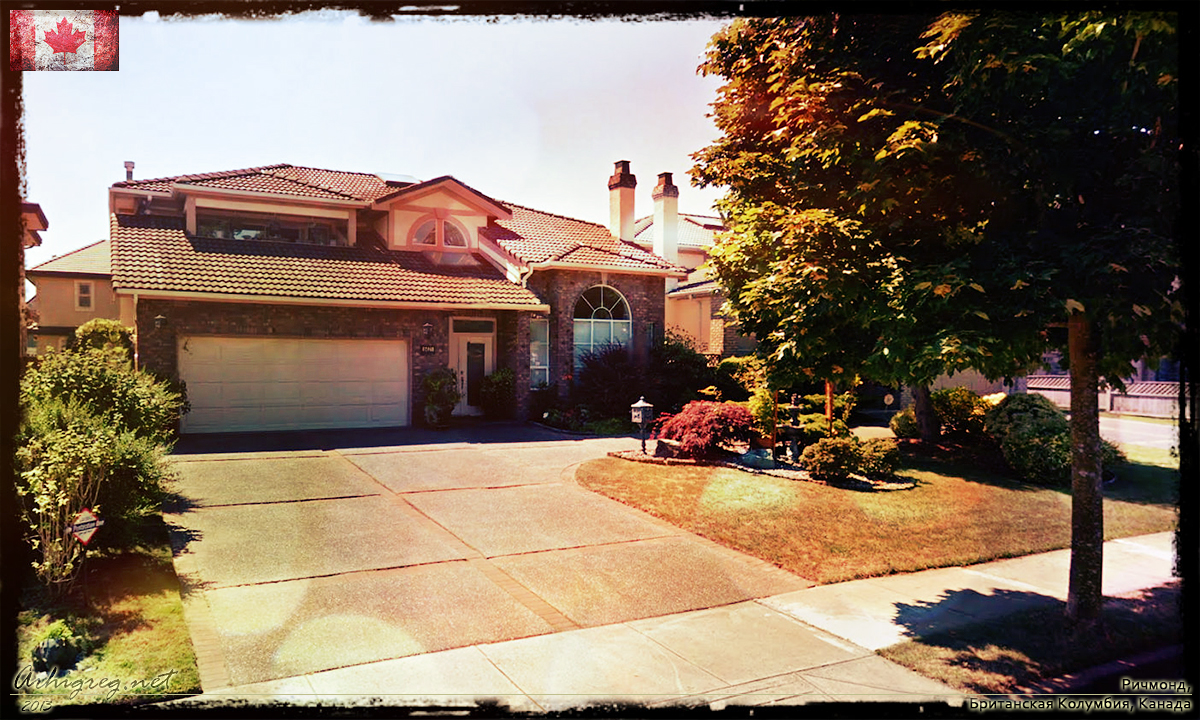
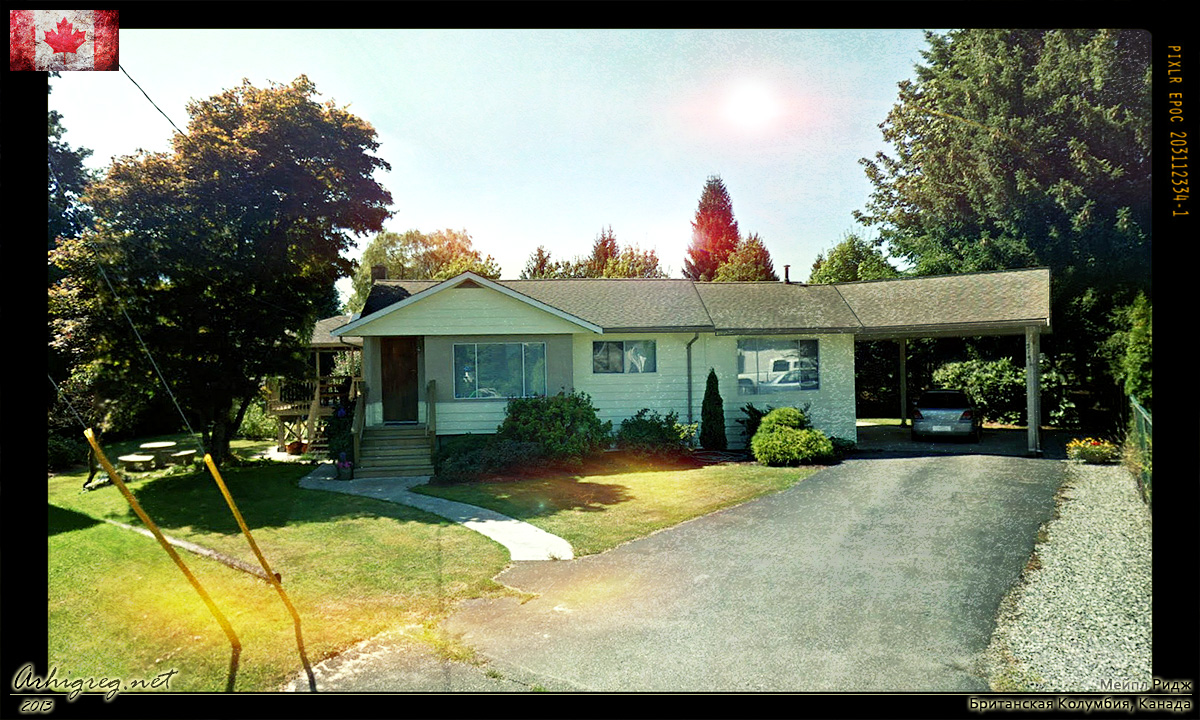
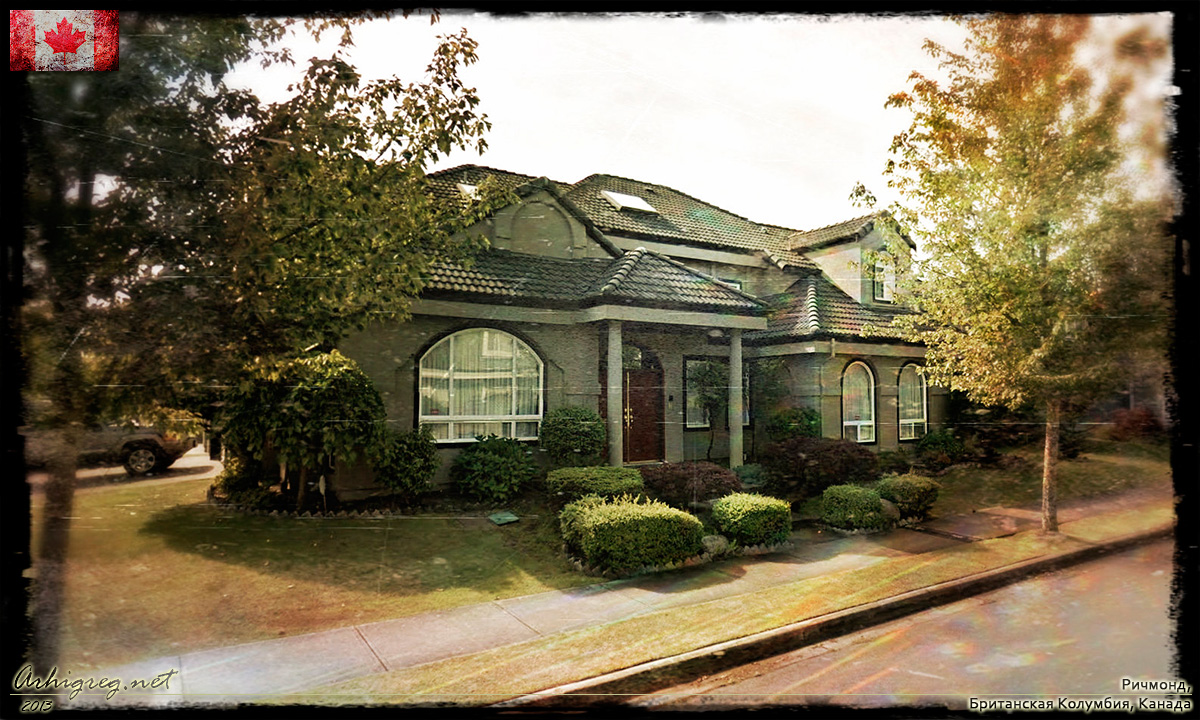
Most Canadian family homes are designed with practicality in mind. Many houses are moderately sized, offering
enough space for comfortable everyday living without unnecessary luxury. At the same time, larger cottages and
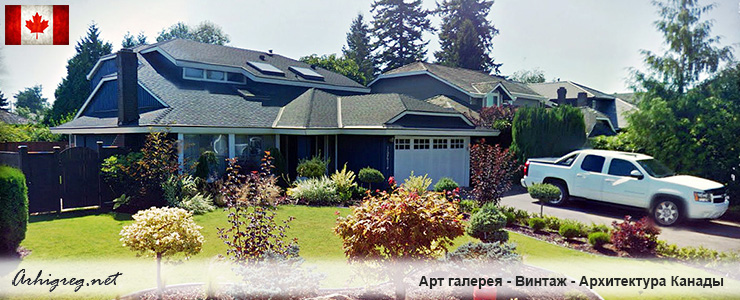
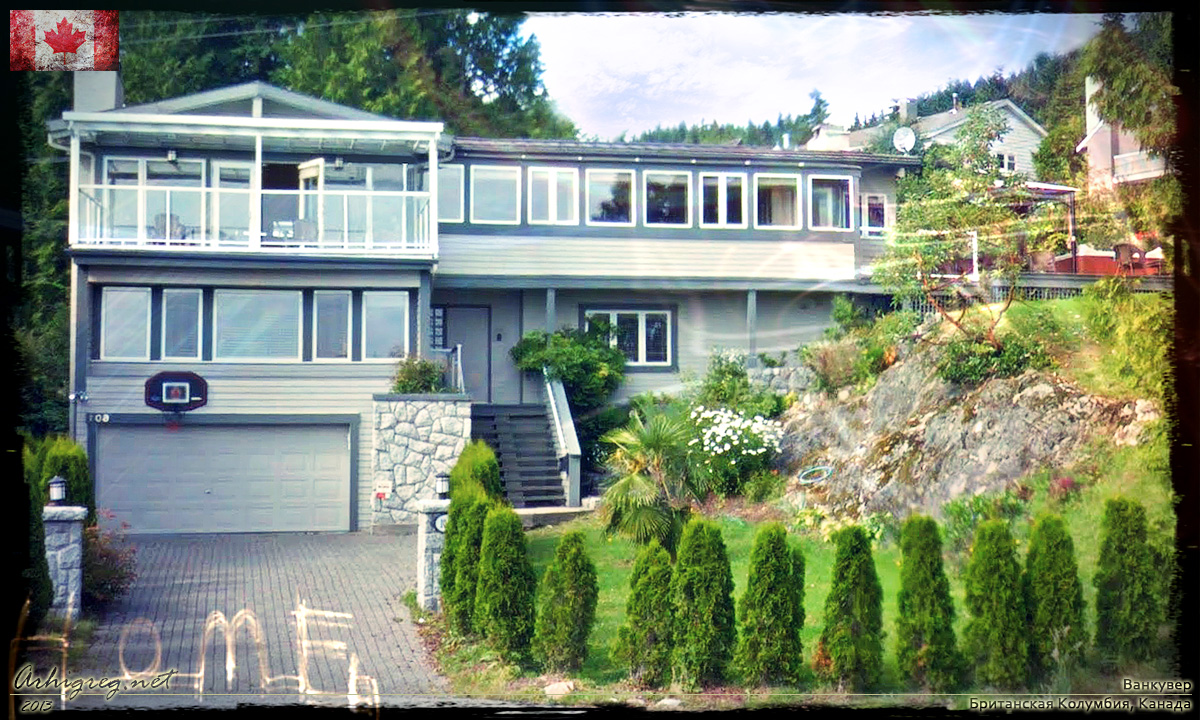
suburban homes can include spacious interiors, basements, and two-car garages, which are common features in
Canadian suburbs.
These homes are often designed for middle-class families, combining affordability with comfort. Inside, the
layout usually includes a cozy living room, a functional kitchen, several bedrooms, and spaces where the
family can gather together. The result is a house that feels welcoming rather than extravagant — a place built
for real life.
Life in a Quiet Canadian Neighborhood
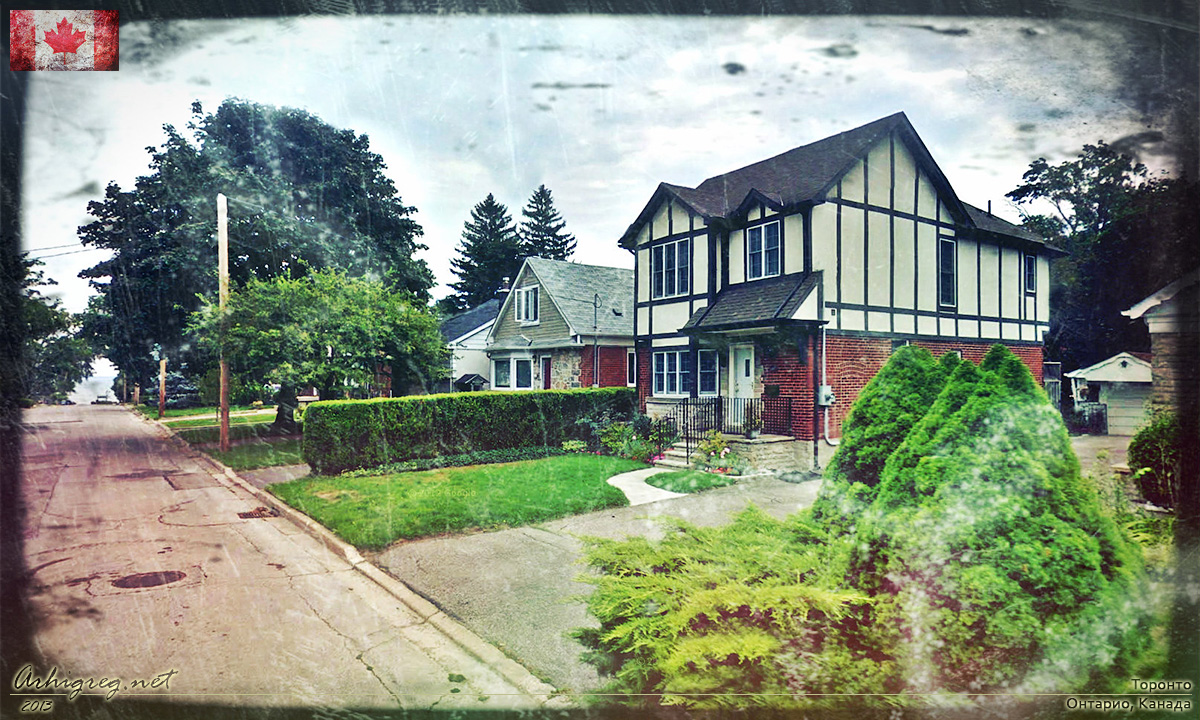
Imagine living in a typical Canadian suburban neighborhood. The streets are calm, lined with trees and
well-maintained lawns. The houses look similar at first glance, yet each one reflects the personality of its
owners. Morning begins peacefully. You step outside with a cup of coffee, walk across the green front lawn,
and pick up the newspaper. After breakfast with your family, you take the minivan out of the garage, drive the
kids to school, and continue on your way to work.
In the evening you return home after a long day. While waiting at a traffic light, you notice the familiar
houses around you — pitched roofs, warm window lights, quiet streets. Soon you turn onto your own street and
see the recognizable outline of your home.
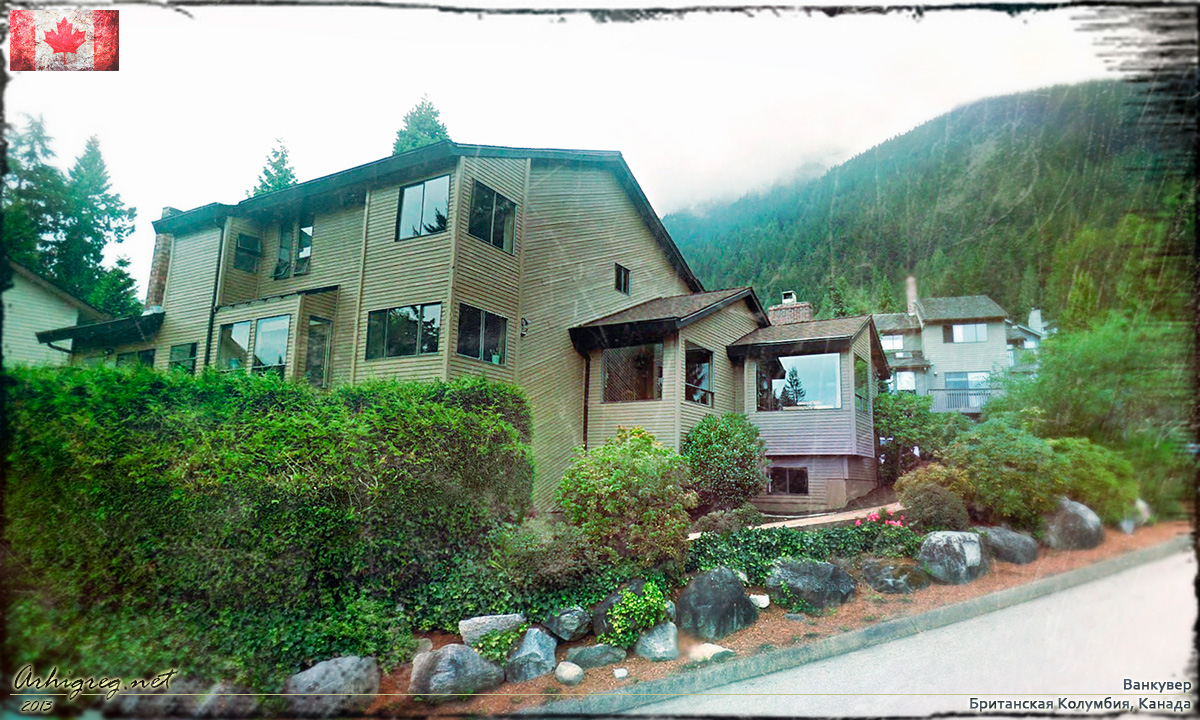
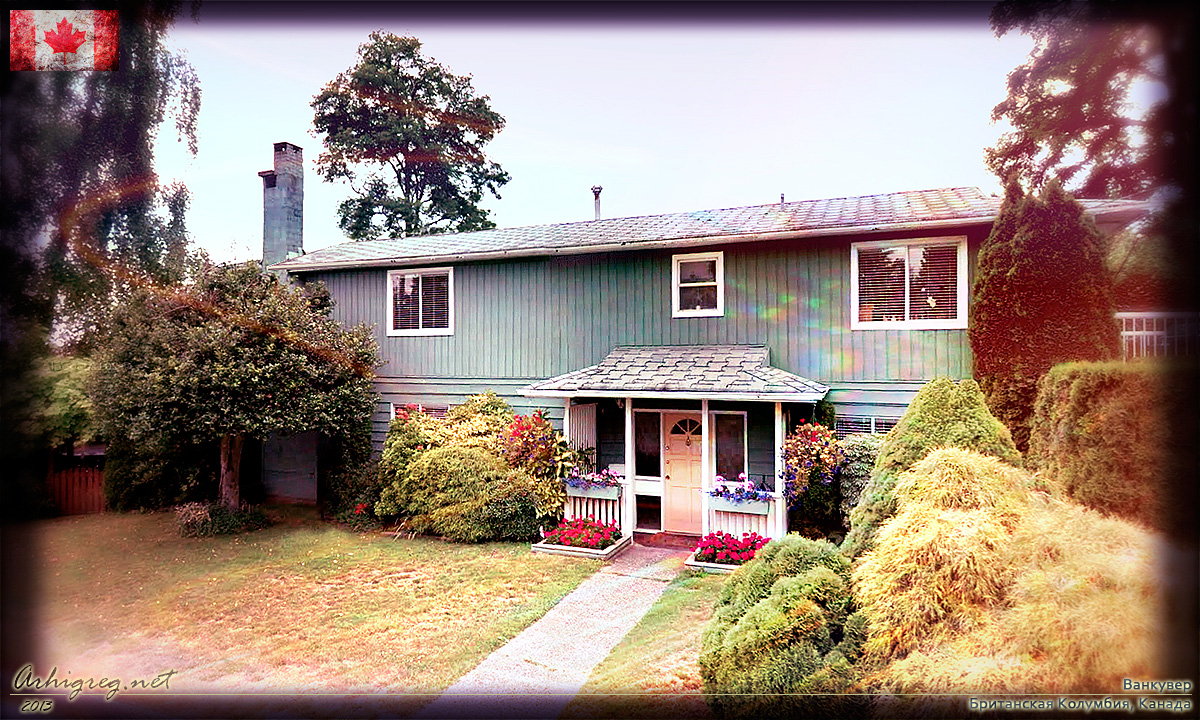
The pitched roof, large windows, and wooden facade are softly illuminated from inside. A maple tree spreads
its branches across the lawn, and tall pine trees stand nearby — a landscape often seen in many Canadian
cities. Friendly neighbors wave as you pass by. The quiet street feels calm and welcoming. You open the front
door and say, “Darling, I’m home.”
The Feeling of Home
Inside, the house is warm and comfortable. The dog happily greets you at the door, wagging its tail. The
children run to say hello, and the cat slowly approaches for attention. Your wife has already prepared dinner,
and the kitchen is filled with pleasant aromas. At the table the whole family talks about their day. Laughter,
stories, and simple everyday moments fill the room with warmth. These small moments are what truly make a
house feel like home. A house is not just architecture — it is a place where life happens.
Inspiration Through Photography and Vintage Art
For now, my dream of a Canadian home is still in progress. There is still time to think about the future
layout, the design, and the atmosphere of the house. One of the ways I explore this dream is through my hobby.
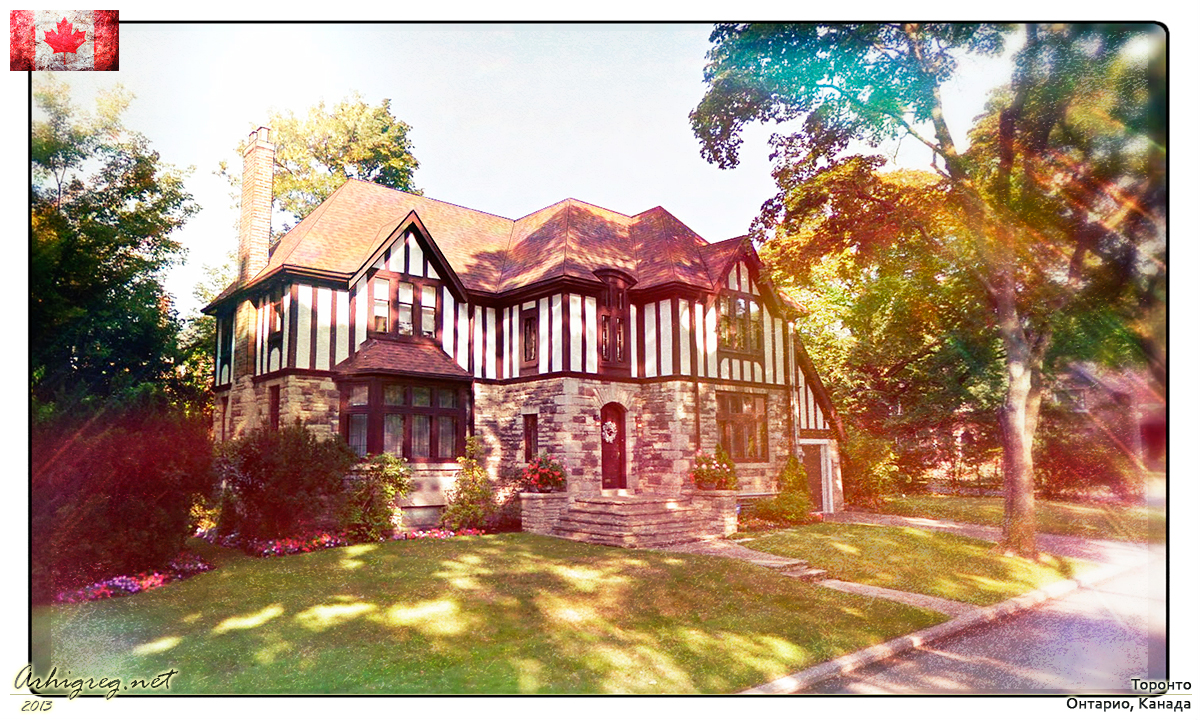
I enjoy working with photographs and vintage postcards of Canadian residential architecture, editing them in
Photoshop.
Vintage photo editing is a creative technique that adds nostalgic character to images. By applying special
effects such as faded colors, scratches, vignettes, and textured overlays, modern photographs can look like
historical prints or old postcards. Originally this work was simply part of my professional activity, but over
time it became a hobby that I truly enjoy. Through these images I try to capture the charm and atmosphere of
traditional Canadian houses.
Dream, Imagine, and Create
In this collection I will share some of my favorite images inspired by Canadian home architecture. I hope
these pictures will inspire you as well and help you imagine the home you would like to live in one day.
Dreaming about a home is the first step toward creating it. With time, patience, and determination, those
dreams can slowly become reality. After all, every great home begins with a simple idea — the dream of a place
where life feels warm, peaceful, and complete.