Among the earliest architectural influences visible in Germany are structures inspired by Carolingian
architecture. These early medieval buildings reflect the cultural revival that took place during the reign of
Charlemagne and his successors. Although only a limited number of such buildings remain today, they played an
important role in shaping the development of European architecture.
Romanesque architecture also left a significant legacy across the country. Characterized by thick walls,
rounded arches, and solid stone construction, Romanesque churches and monasteries were designed to express
strength and permanence. Many of these historic buildings can still be seen in small towns and historic city
centers, where they continue to attract visitors and architecture enthusiasts.
Later, Gothic architecture transformed the skylines of many German cities. Tall cathedrals, pointed arches,
and intricate decorative details created dramatic silhouettes that remain iconic today. Gothic structures were
designed to inspire awe, and their towering spires and stained-glass windows still dominate many historic
squares and city landscapes.
During the Renaissance period, architectural design shifted toward symmetry, balance, and classical
inspiration. German cities began to incorporate elegant facades, decorative sculptures, and carefully
proportioned windows and doorways. Renaissance buildings often brought a sense of harmony and sophistication
to urban spaces, reflecting the cultural and artistic growth of the era.
The Baroque period introduced a more expressive and theatrical style. Palaces, churches, and public buildings
constructed during this time often featured elaborate ornamentation, curved forms, and dramatic architectural
compositions. Baroque architecture brought grandeur and artistic richness to many German cities, especially in
royal residences and cultural centers.
Later architectural movements, including classical and modern styles, continued to reshape the urban
environment. Neoclassical buildings emphasized order and simplicity, while modern architecture introduced new
materials such as glass, steel, and reinforced concrete. Contemporary German architecture often focuses on
clean lines, sustainable design, and innovative construction technologies.
Today, German cities present a fascinating visual dialogue between past and present. Historic buildings
coexist with modern developments, creating urban landscapes that feel both timeless and dynamic. Streets lined
with centuries-old houses may suddenly open onto modern squares filled with contemporary architecture,
demonstrating how history and innovation can exist in harmony.
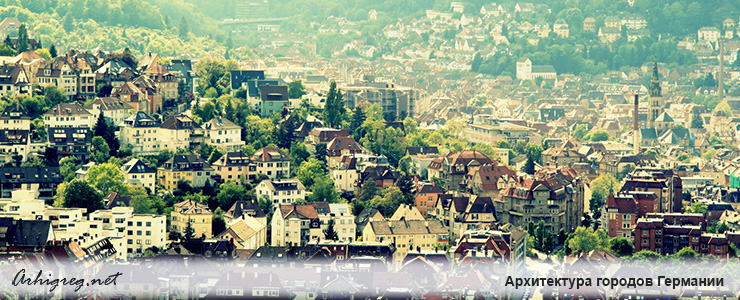
Photographs of German cities often capture this remarkable combination of architecture and nature. Tree-lined
streets, riverfront promenades, and green parks provide natural contrast to historic stone facades and modern
structures. This balance between urban design and natural surroundings contributes to the distinctive
atmosphere that makes German cities so visually appealing.
The architecture of Germany is therefore not simply a collection of buildings. It is a reflection of cultural
heritage, artistic creativity, and continuous development. From medieval cathedrals to modern urban spaces,
German cities offer a rich architectural experience that continues to inspire architects, historians, and
travelers from around the world.
.jpg)
.jpg)
.jpg)
.jpg)
.jpg)
.jpg)
.jpg)
.jpg)