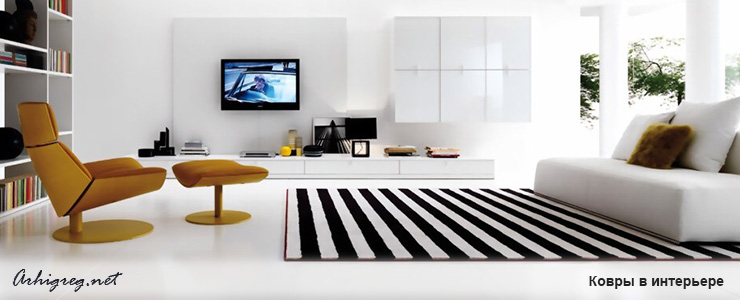
Designer carpets play an important role in modern interior design. They are not only practical elements that protect the floor and provide comfort, but also powerful decorative accents that help define the atmosphere of a room. In many homes and apartments, a well-chosen rug becomes the central detail that ties together furniture, colors, and textures into a harmonious composition.

A comfortable interior is difficult to imagine without soft surfaces that create warmth and a welcoming feeling. A rug placed near a sofa in the living room or under a coffee table can immediately change the character of the space. The soft texture under your feet adds a sense of coziness and relaxation, making the room feel more inviting. During colder seasons, carpets also provide insulation, helping the room feel warmer and more comfortable.

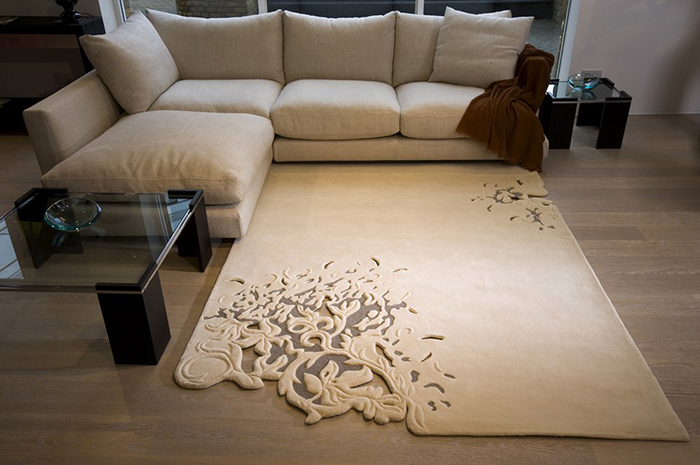
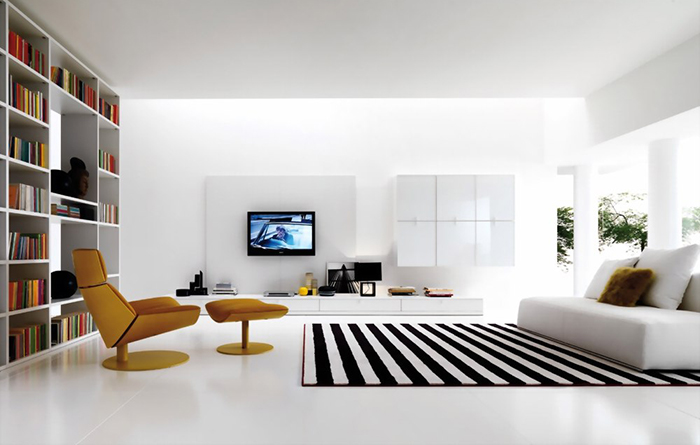
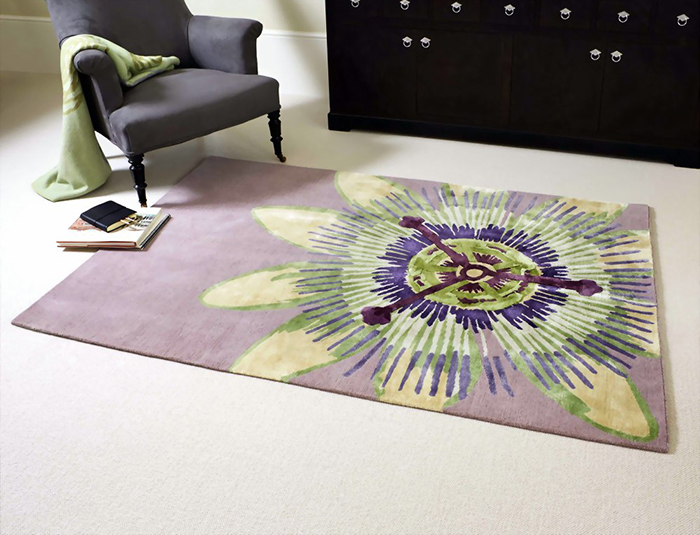
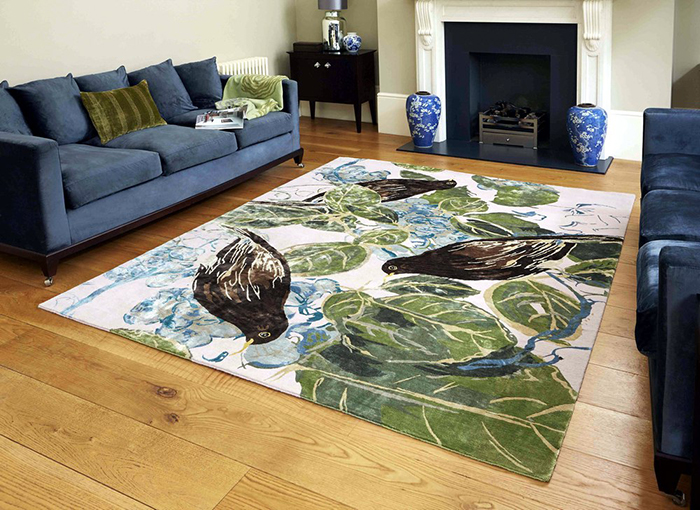
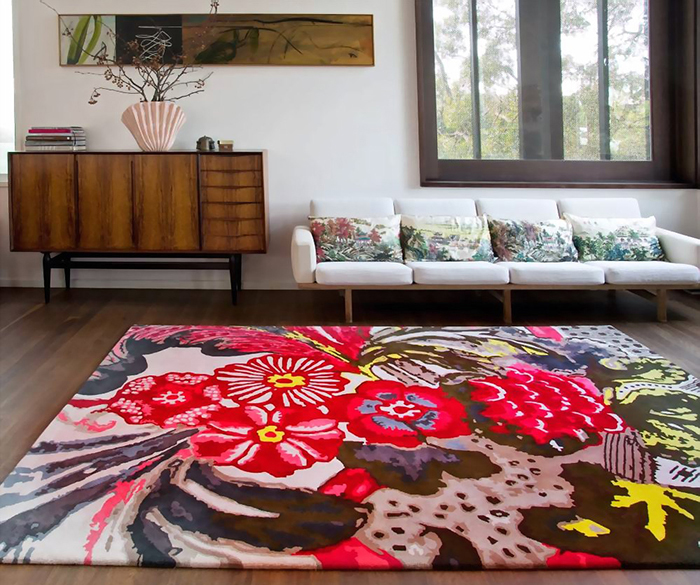
In contemporary interiors, designer rugs have become especially popular. Unlike ordinary mass-produced carpets, designer pieces often feature original patterns, unusual color combinations, and creative textures. Many designers treat rugs as works of art that can transform the entire perception of a space. A bold geometric pattern can give a minimalist room a dynamic character, while a subtle neutral rug can balance a colorful interior.
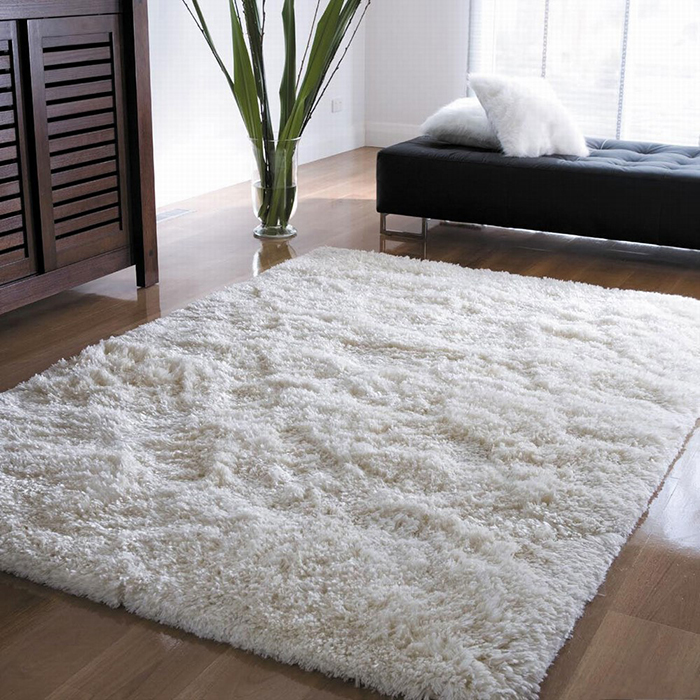
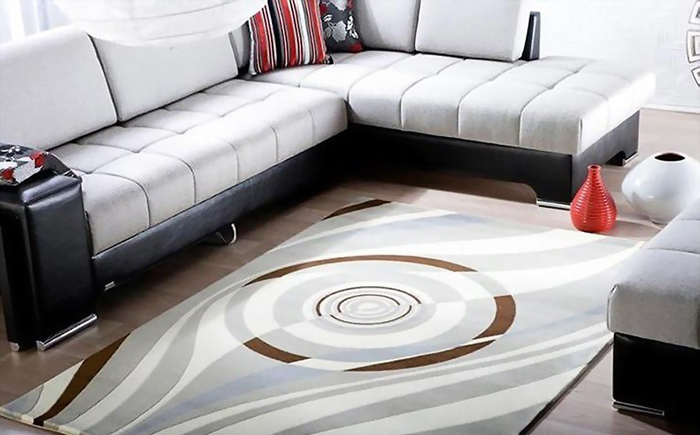
Another reason for the growing popularity of designer rugs is the enormous variety available today. Manufacturers and design studios produce carpets in countless styles, from modern abstract compositions to classic ornamental patterns inspired by traditional craftsmanship. Materials also vary widely, including wool, cotton, silk, synthetic fibers, and innovative blended fabrics. Each material offers different qualities, such as softness, durability, or resistance to wear.

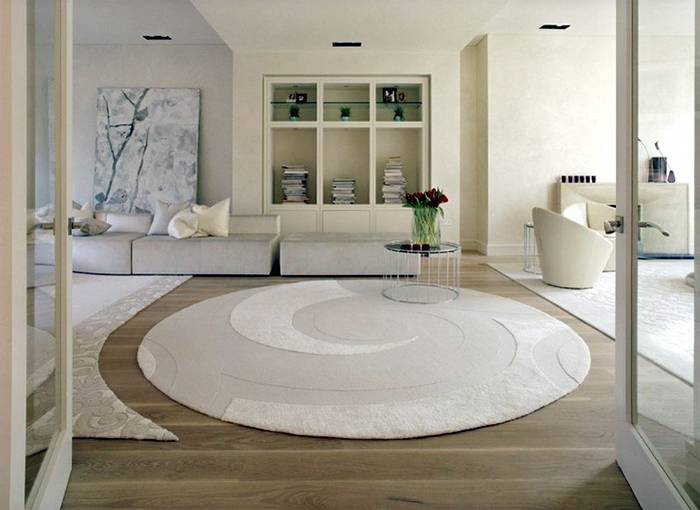
Size and shape are also important factors when choosing a rug. Large carpets can visually unite several pieces of furniture into a single area, especially in open-plan living spaces. Smaller rugs are often used to highlight specific zones, such as reading corners, dining areas, or bedside spaces. Round or irregularly shaped rugs can add a playful element to a room, breaking the strict geometry of furniture layouts.

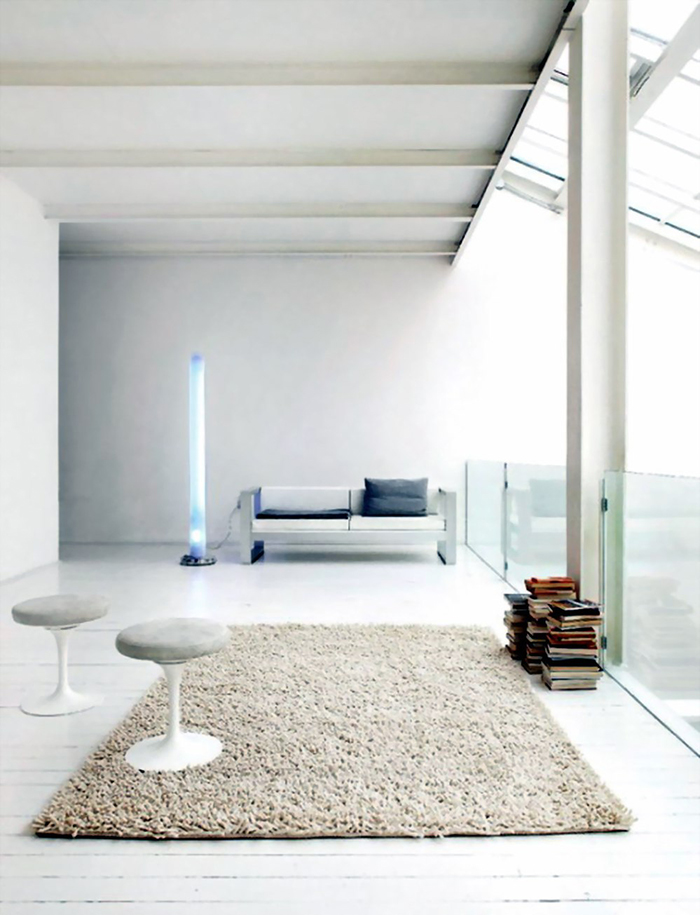
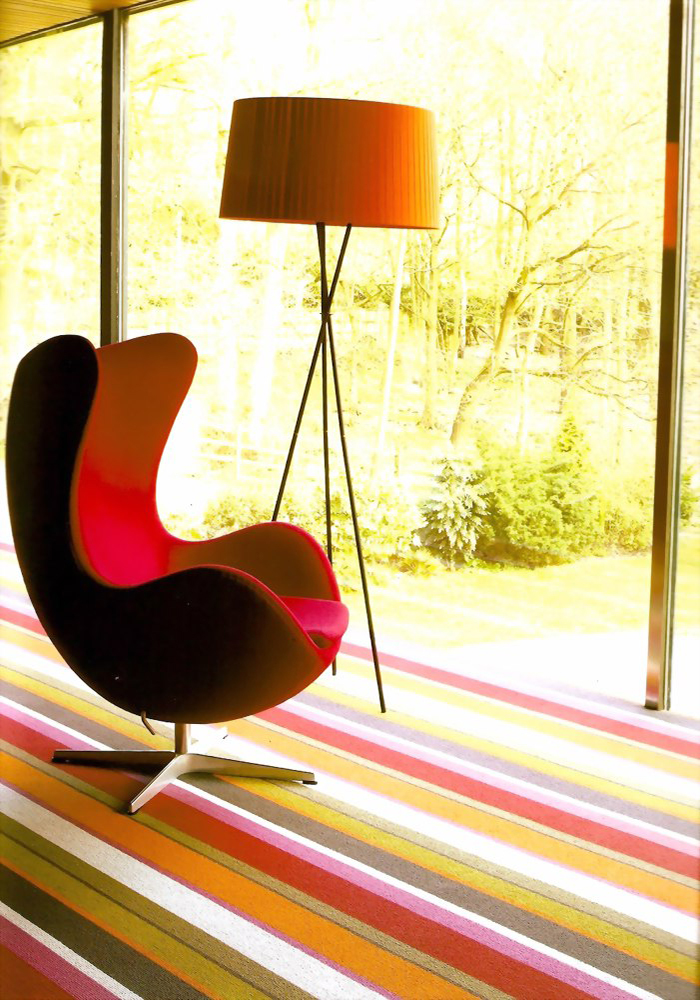
Color plays a key role in the impact of a rug on interior design. A bright carpet can become a striking focal point, attracting attention and energizing the space. On the other hand, neutral tones such as beige, gray, or soft earth colors help create calm and balanced interiors. Designers often use rugs to introduce additional color layers that complement walls, upholstery, and decorative accessories.

Today hundreds of manufacturers and design studios around the world produce rugs in a wide range of styles, textures, and sizes. This diversity allows homeowners and interior designers to find a solution for almost any project, from small apartments to spacious houses. Whether chosen for comfort, aesthetics, or both, designer rugs remain one of the most effective tools for creating a warm, stylish, and harmonious interior environment.