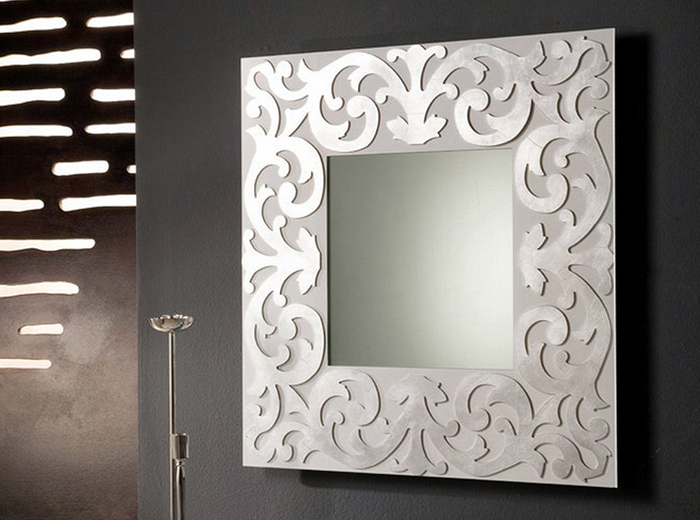
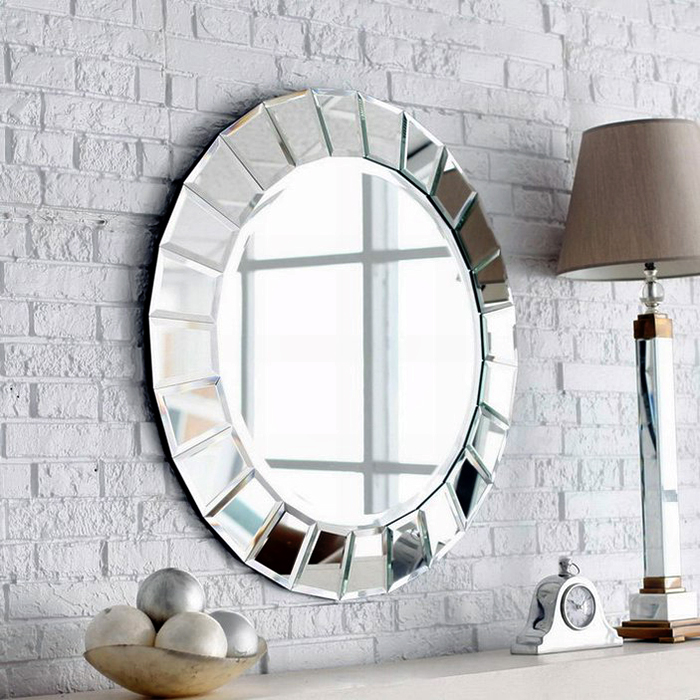
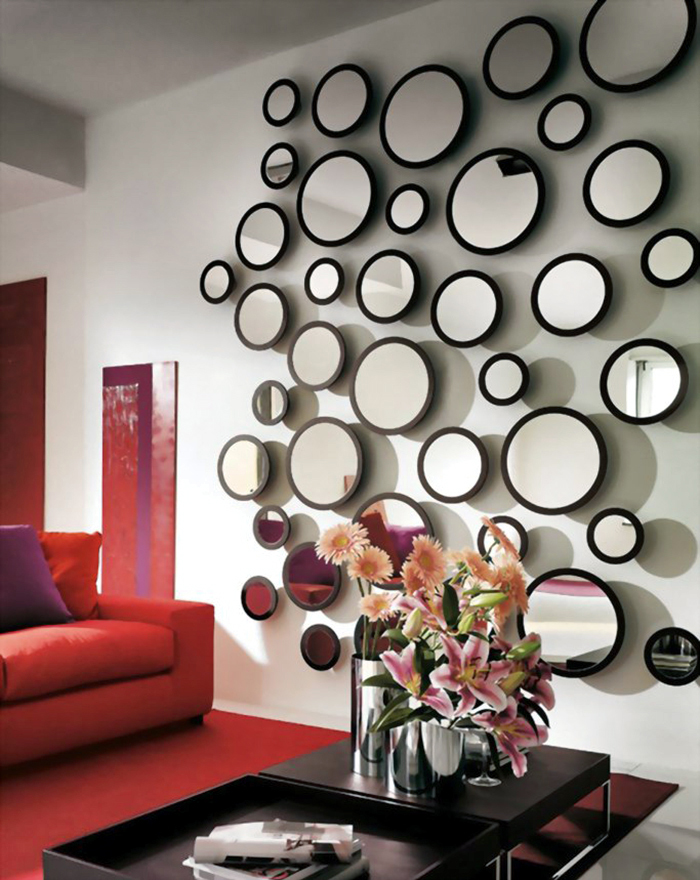
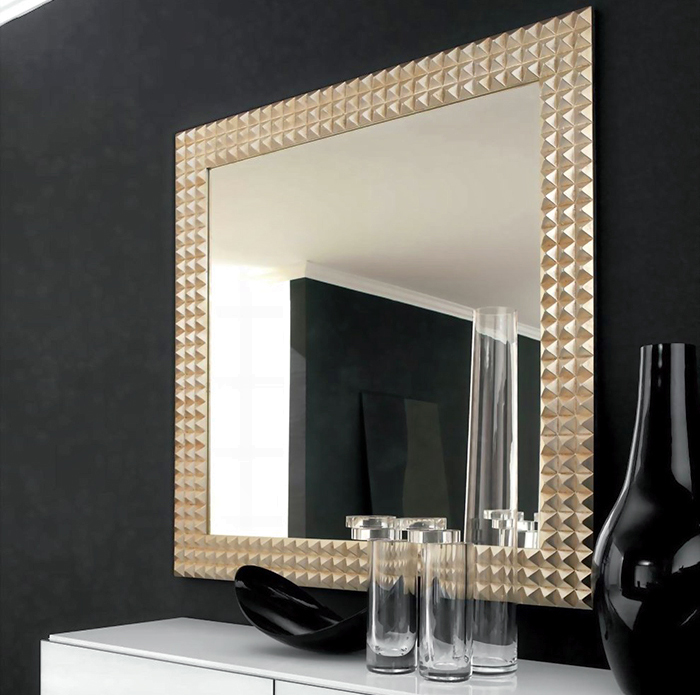
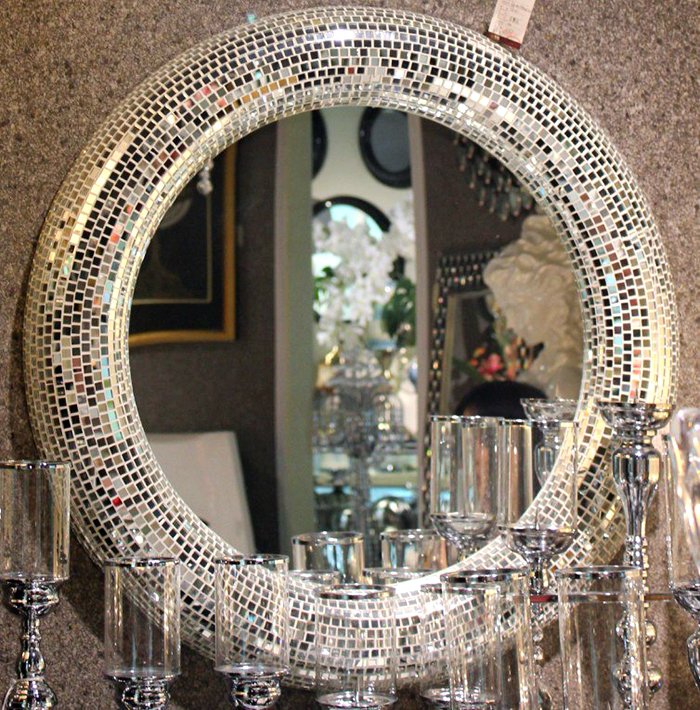
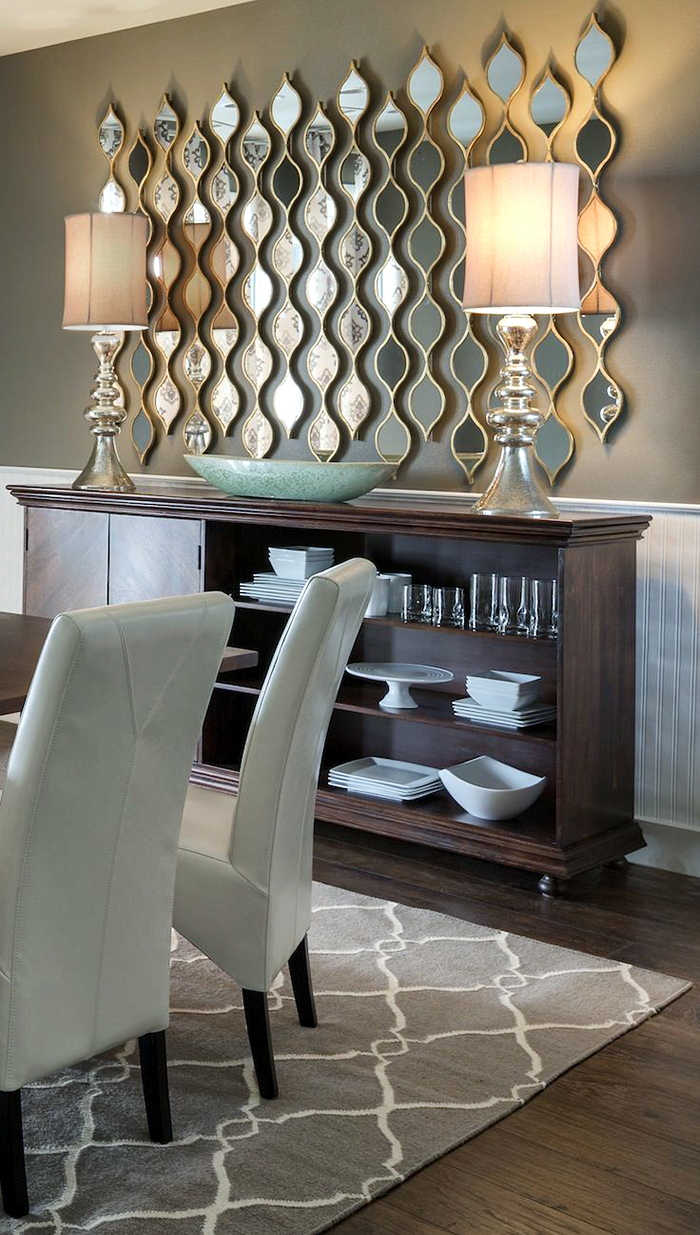
Large wall mirrors are particularly popular in modern design. They create a striking visual effect and help
distribute natural and artificial light throughout the room. When positioned opposite windows or lighting
sources, mirrors amplify brightness and add a sense of airiness to the interior. This reflective quality can
dramatically change the perception of a space, making it feel more open and dynamic.
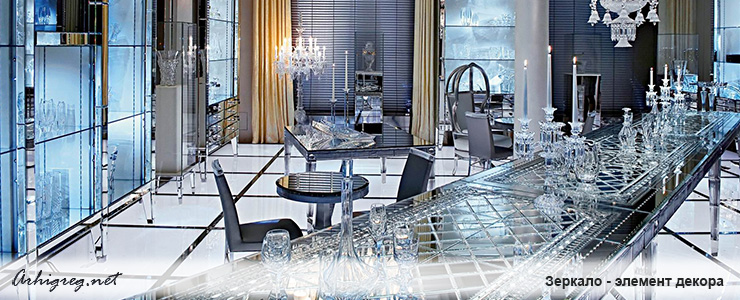
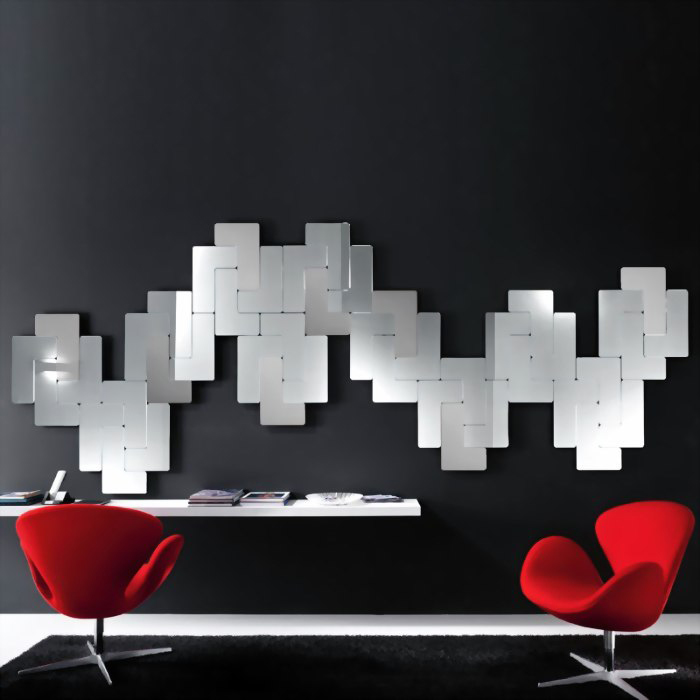
Another creative design solution involves the use of mirror panels on walls, floors, or even ceilings. These
installations bring a sense of elegance and sophistication to interiors, while also adding a touch of dramatic
style. Mirror surfaces reflect architectural lines, decorative elements, and light sources, creating
interesting visual layers and depth. Such features are often used in contemporary living rooms, dining areas,
and luxury interiors to create a bold and memorable atmosphere.
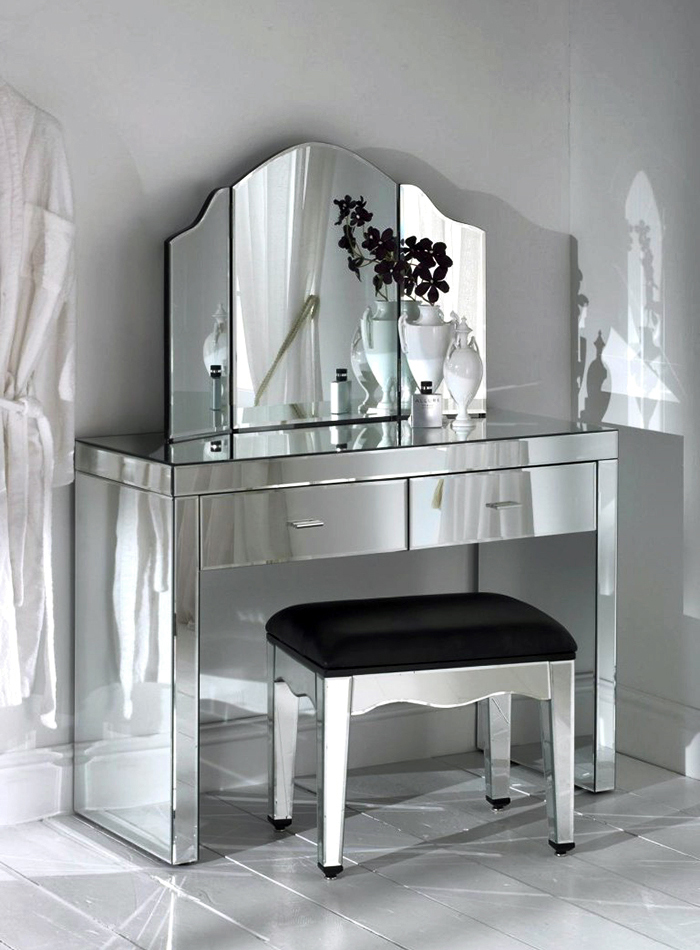
In recent years, mirrored furniture has become a fashionable trend in interior decoration. Cabinets, tables,
dressers, and nightstands with mirrored surfaces introduce a refined and glamorous character to a room. These
pieces reflect surrounding colors and textures, allowing them to blend naturally into different interior
palettes while still standing out as elegant decorative accents.
Mirrors are also highly versatile when it comes to placement. They can be used in entryways to create a
welcoming first impression, in bedrooms to enhance comfort and practicality, or in living rooms as statement
decor elements. Whether installed as a single artistic piece or incorporated into furniture and architectural
details, mirrors offer endless opportunities for creative design.
The long history of gypsum in architecture proves its reliability. Many historic buildings in cities such as
Rome, Paris, London, and St. Petersburg feature decorative gypsum elements that have survived for centuries.
Today this traditional material continues to play an important role in modern interior design.
Ultimately, mirrors combine beauty with functionality. They brighten interiors, enhance spatial perception,
and add a sophisticated decorative touch. When thoughtfully integrated into a design concept, mirrors become
much more than reflective surfaces—they turn into powerful elements that shape the overall mood and visual
harmony of an interior.