Other houseboats are built with mobility in mind. Equipped with modern engines and navigation systems, they
are capable of traveling across rivers, lakes, and canals. These mobile homes allow their owners to combine
residential living with exploration and adventure. Some models feature autonomous power systems, including
batteries, generators, and solar panels, making it possible to stay on the water for extended periods without
returning to shore.
One of the main attractions of houseboat living is the close connection to nature. Residents wake up to the
gentle movement of water, reflections of sunlight on the surface, and constantly changing views. This
environment creates a relaxing atmosphere that is difficult to replicate in conventional housing. Large
windows, open decks, and panoramic terraces are common design elements that maximize the experience of living
on the water.
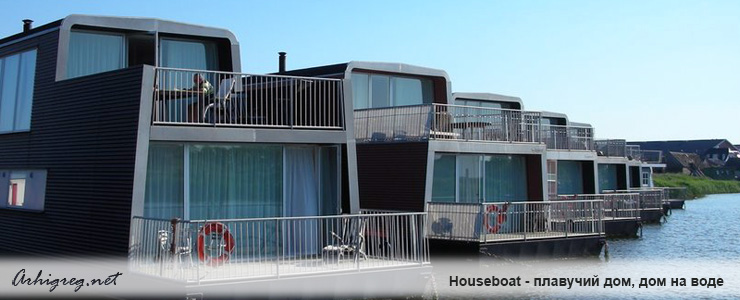
In recent years, houseboats have also attracted the attention of architects and designers. Contemporary
floating homes often feature minimalist architecture, eco-friendly materials, and energy-efficient systems.
Some projects are designed as modern floating villas, combining elegant design with advanced marine
technology.
Houseboats can be found in many parts of the world, from European canals and Scandinavian lakes to American
rivers and coastal areas. Each region has its own traditions and architectural approaches to floating housing,
reflecting local culture and environmental conditions.
Today, the concept of the houseboat continues to evolve. Whether used as a permanent residence, a vacation
home, or a mobile retreat, these floating houses represent an innovative way of living that blends
architecture, water, and nature into a single harmonious environment.
.jpg)
.jpg)
.jpg)
.jpg)
.jpg)
.jpg)
.jpg)
.jpg)
.jpg)
.jpg)