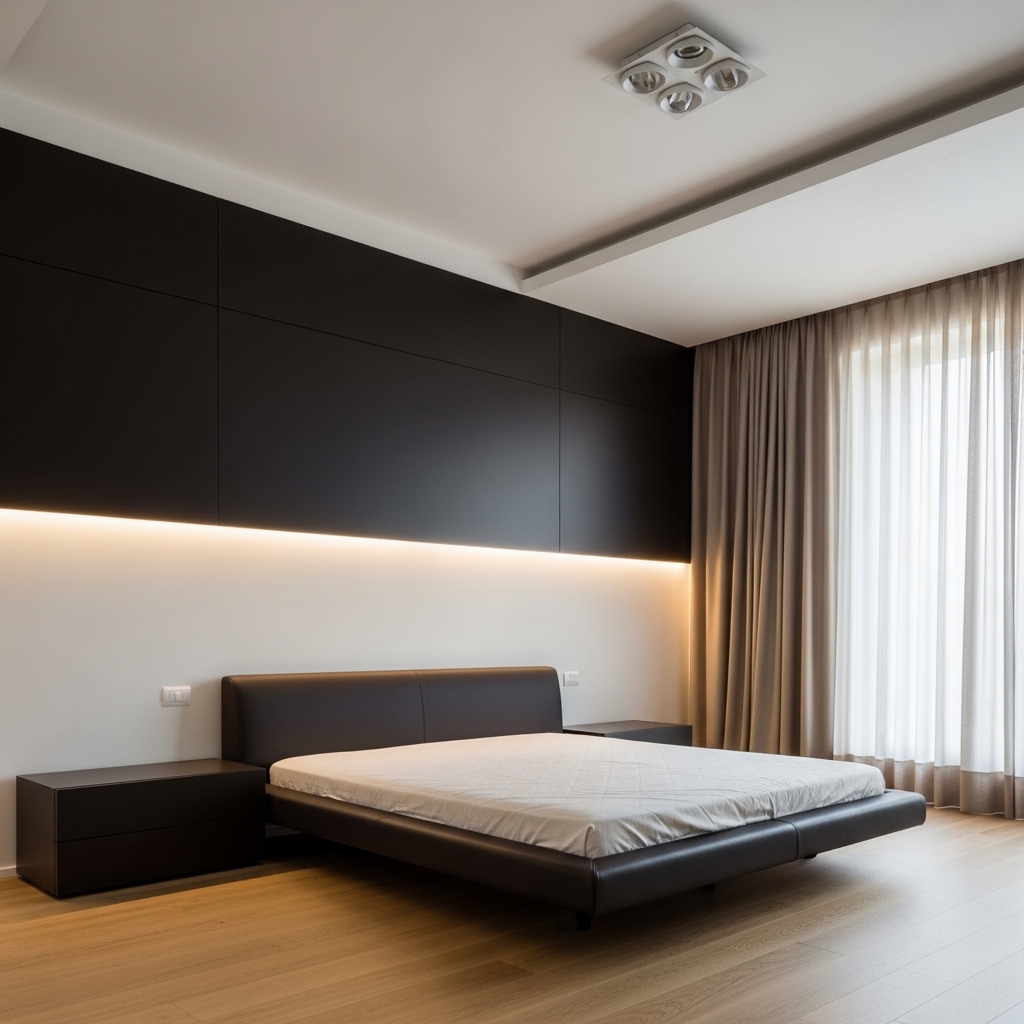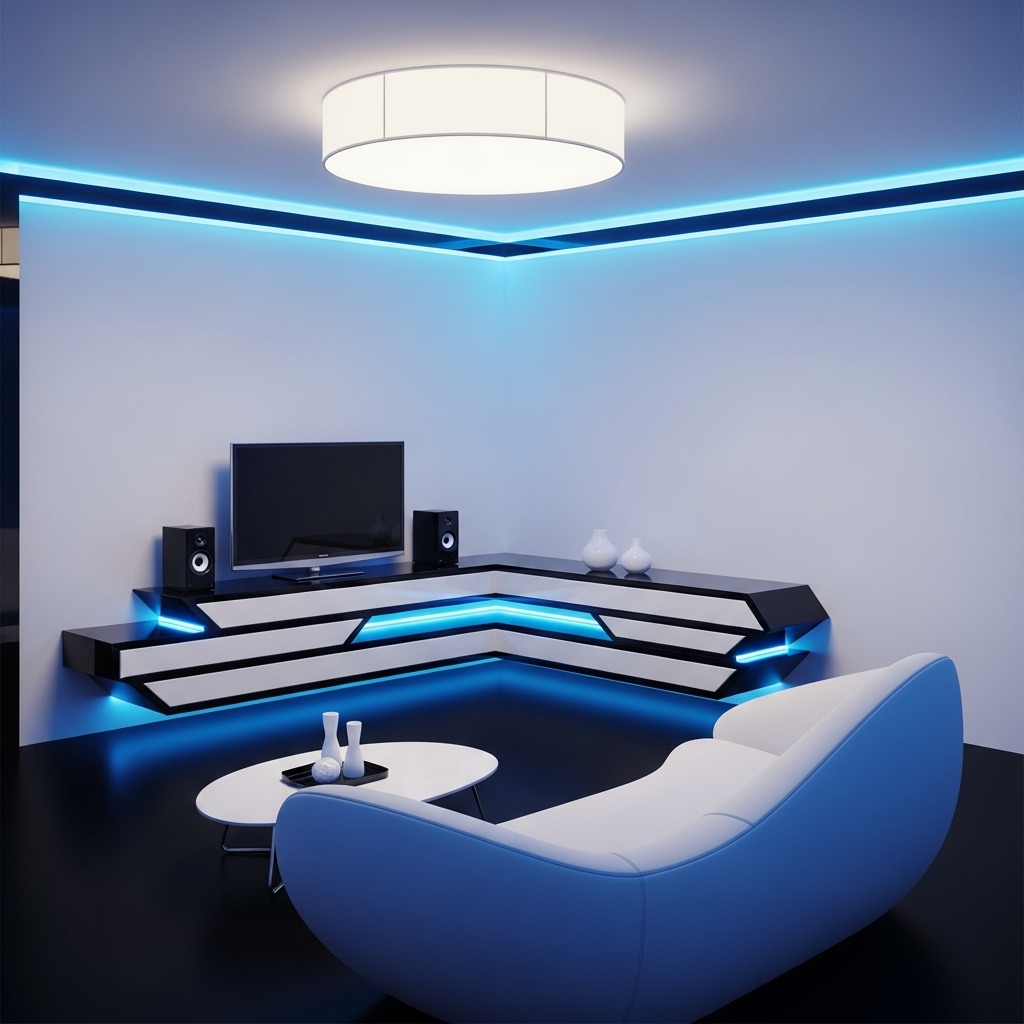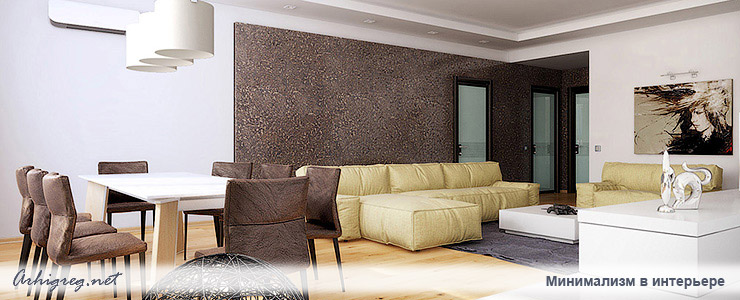
interior design, design, interior style

Minimalism in interior design often becomes the subject of jokes. Some people say that this style is chosen only by newlyweds who simply cannot afford to furnish their apartment. However, such statements overlook the real philosophy behind minimalism. The beauty of this design approach lies not in the absence of things, but in the thoughtful organization of space, functionality, and harmony. Understanding minimalism means seeing value in simplicity and clarity rather than in abundance of decor.

Minimalism is an interior design style characterized by restraint, simplicity, precision, and expressive composition. Unlike traditional decorative approaches that emphasize ornate details and rich ornamentation, minimalism focuses on balance, clean forms, and carefully selected elements. The style favors natural materials, simple geometric shapes, neutral color palettes, and modest volumes of furniture and decoration. Historically, minimalism grew out of architectural and artistic movements such as Constructivism and Functionalism, both of which emphasized practicality and the honest use of materials.

One of the defining features of minimalist interiors is the deliberate rejection of excessive decoration. In many classic design styles, decorative elements play a central role in shaping the atmosphere of a space. Minimalism takes the opposite approach. Interiors are built around simplicity, open space, and a carefully limited number of objects. Furniture is usually simple in form, often with clean lines and smooth surfaces. Accessories are used sparingly, if at all, and every element in the room serves a clear purpose.
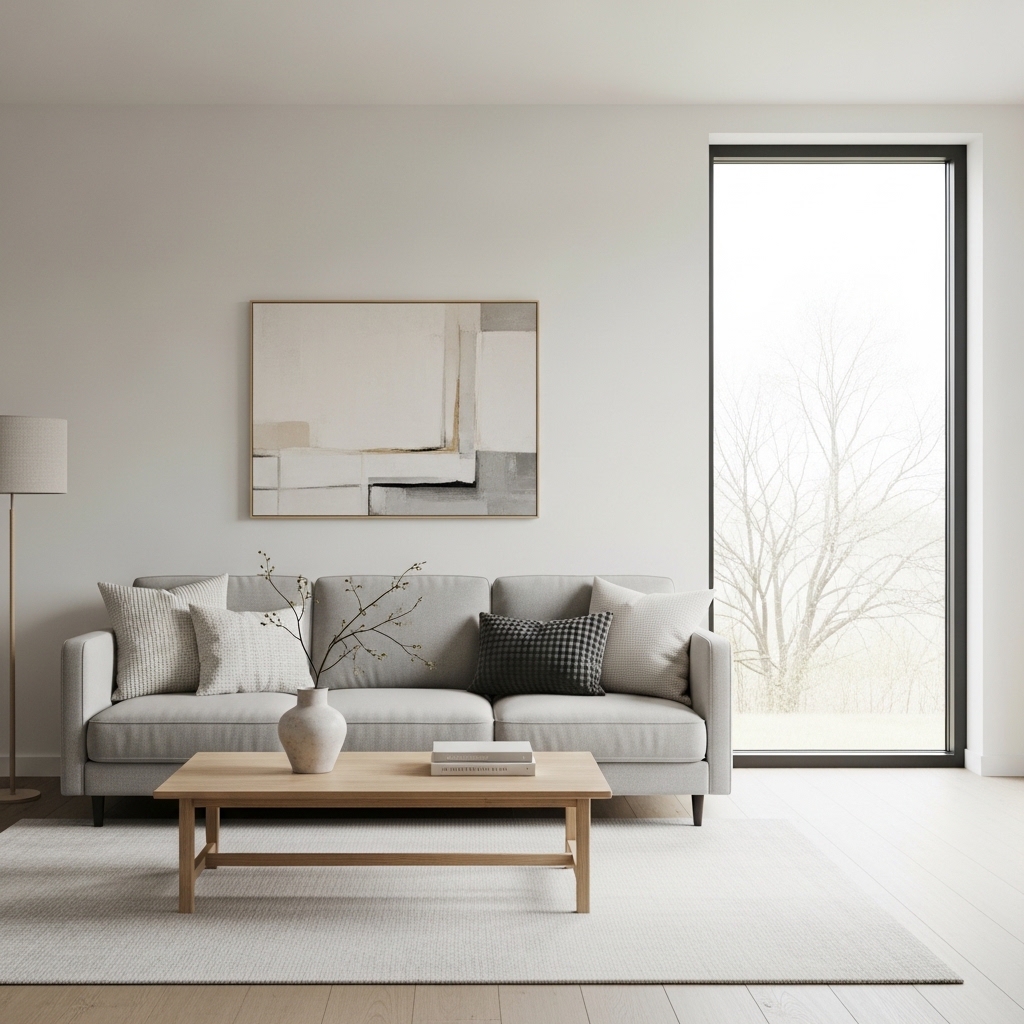
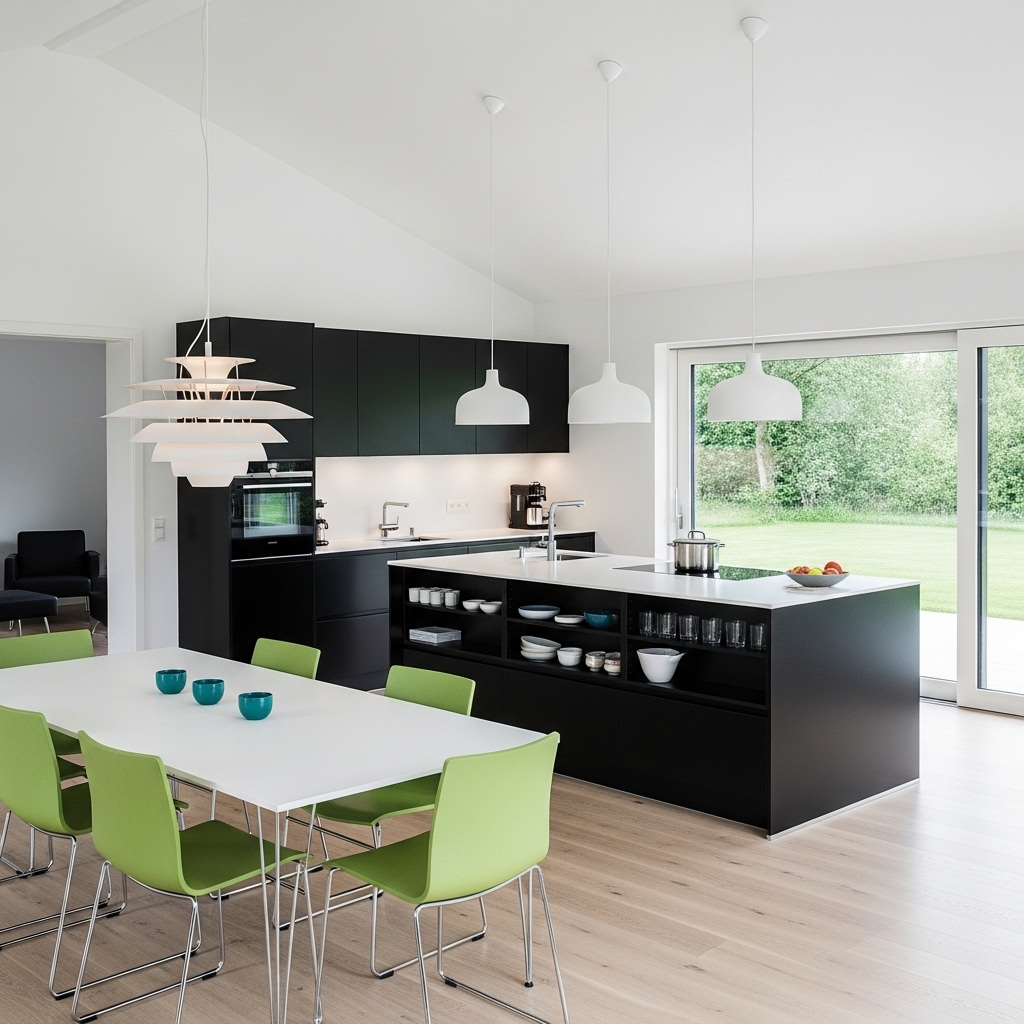
Minimalist interiors are also defined by the use of space itself as a design element. Large open areas, uncluttered surfaces, and a sense of visual calm help create a feeling of freedom and balance. Instead of filling every corner with objects, minimalism allows space to breathe. The result is an environment that feels light, organized, and visually harmonious.

Functionality is one of the key principles of minimalism. Every item in the interior must justify its presence. Furniture is often built-in or designed to perform multiple functions. Transforming furniture, hidden storage systems, and integrated cabinets help keep the space clean and uncluttered. By reducing the number of unnecessary objects, minimalism allows the room to remain practical while maintaining a refined aesthetic.

Some people worry that minimalist interiors may feel too empty or uncomfortable. Without decorative elements and abundant furniture, the space might appear cold or impersonal. However, this perception often changes once the advantages of minimalism become clear. One of the most important benefits is the abundance of space and natural light. Without visual clutter, light moves freely through the room, making the interior feel larger and more open.

Another practical advantage of minimalism is the ease of maintenance. Interiors filled with decorative objects require constant care. Dust collects on figurines, frames, souvenirs, and various decorative accessories. In a minimalist home, the number of such items is drastically reduced. Cleaning becomes significantly faster and easier because there are fewer surfaces and objects that require attention.

Minimalism is not simply about removing things from a room. It is about creating a thoughtful environment where every element contributes to comfort, functionality, and visual harmony. By focusing on essential objects, natural materials, and clean forms, minimalist interiors achieve a timeless aesthetic that remains elegant and practical for everyday living.