One of the biggest advantages of wall stickers is their ability to transform both new and existing interiors.
A simple wall sticker can instantly refresh a room, add personality, and create a visual focal point without
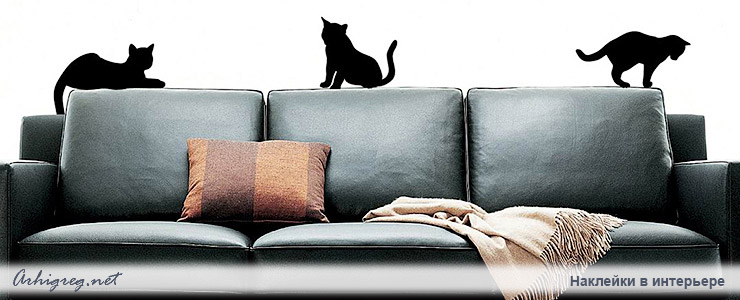
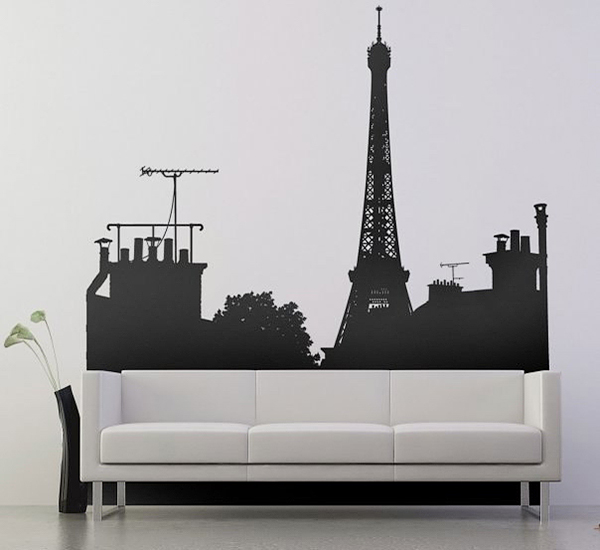
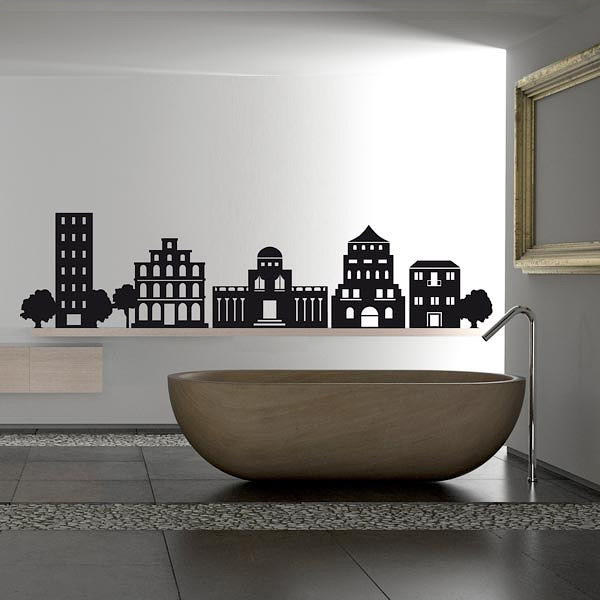
the need for major renovations. For example, monochrome designs, especially black and white stickers, are
particularly popular because they blend effortlessly with many interior styles. Placed on a single accent
wall, they can create a strong visual statement while maintaining a balanced and elegant look.
While bright and colorful stickers can also bring energy to a space, it is usually best to use them with
moderation. Instead of covering large areas with vivid designs, designers often recommend creating a small,
carefully arranged composition that introduces color while keeping the room harmonious. When combined with
neutral backgrounds or framed within minimal decorative layouts, these elements can enhance the overall
interior design without overwhelming it.
Another important benefit of vinyl wall stickers is their eco-friendly nature. High-quality vinyl stickers are
designed to be safe for indoor environments and do not release harmful substances into the air. Typically, a
wall decal consists of three main layers: a protective film, a vinyl layer with the printed design, and a
backing paper that allows for easy installation. Once applied to the wall, the decal forms a smooth decorative
surface that can be gently cleaned when necessary.
Durability is another factor that contributes to the growing popularity of vinyl stickers. They are resistant
to fading and maintain their appearance even after long exposure to sunlight. This makes them suitable for
rooms with large windows or bright natural lighting. In addition, the material is designed to adhere well to
smooth surfaces while remaining removable if the interior design needs to be updated in the future.
Vinyl wall stickers are also valued for their versatility. They can be used in almost any part of the home,
including living rooms, bedrooms, hallways, kitchens, bathrooms, and children’s rooms. In commercial
environments, such as offices, cafes, and public spaces, stickers can serve both decorative and informational
purposes. The themes available for wall stickers are virtually unlimited, allowing designers to choose motifs
that reflect the mood and function of each space.
Another interesting aspect of this type of decoration is the variety of surface finishes available. Vinyl
stickers can have matte, glossy, reflective, or textured finishes, and some designs even feature subtle relief
patterns that add depth and dimension. Because of these options, stickers can easily complement different
materials such as painted walls, glass surfaces, or smooth furniture panels.
Creative designers often use wall stickers to visually connect different architectural elements of a room. For
instance, a pattern may extend from a wall toward a window frame, ceiling edge, or column, creating a unified
decorative concept that enhances the perception of depth and space. Such design techniques can give interiors
a more dynamic and layered appearance.
Customization is another reason why vinyl wall stickers have become a preferred decorative solution. Many
manufacturers allow customers to create stickers based on their own designs. By providing a digital image or
graphic concept, it is possible to produce a unique wall decoration tailored to the exact dimensions of a
room. This approach allows homeowners and designers to incorporate personal artwork, logos, or exclusive
patterns into the interior.
When selecting wall stickers, it is important to consider the proportions of the room as well as the overall
color palette and style of the interior. A large decorative element may work perfectly on a spacious wall,
while smaller stickers are often more suitable for compact areas or detailed compositions. Careful planning
ensures that the decoration enhances the room rather than dominating it.
Vinyl wall stickers represent a simple yet effective way to enrich modern interiors. They combine
practicality, aesthetic flexibility, and environmental safety, making them an appealing choice for both
residential and commercial spaces. With the right design and thoughtful placement, wall stickers can bring
personality, creativity, and visual interest to almost any environment, transforming ordinary walls into
expressive elements of interior design.