Many historical styles that once dominated cities and interiors are no longer widely used in modern
construction. However, they remain important as cultural references and sources of inspiration. Designers
often reinterpret elements from classical traditions, combining them with contemporary materials and modern
technologies to create new visual expressions.
For professionals working in architecture or interior design, familiarity with different styles is extremely
valuable. It helps them understand how design solutions evolved and why certain visual principles became
popular in specific periods. Knowledge of architectural styles also makes it easier to work with historical
buildings, restore heritage structures, or design interiors that harmonize with existing architecture.
Today, modern design often blends elements from several stylistic traditions rather than following a single
strict direction. Contemporary interiors may combine minimalism with industrial details, or integrate
classical decorative elements into modern spaces. This creative mixing reflects the global nature of modern
design culture.
In professional practice, architects and designers frequently encounter a variety of stylistic approaches.
Some projects require strict adherence to historical authenticity, while others encourage experimentation and
reinterpretation of traditional forms. For this reason, studying architectural styles remains an important
part of design education and professional development.
Understanding style allows designers to make thoughtful choices when selecting furniture, lighting, materials,
and decorative elements. By combining these components carefully, it becomes possible to create interiors that
not only look visually appealing but also express a clear design identity. Ultimately, architectural style
serves as a bridge between history, culture, and contemporary creativity, shaping the environments in which
people live and work.
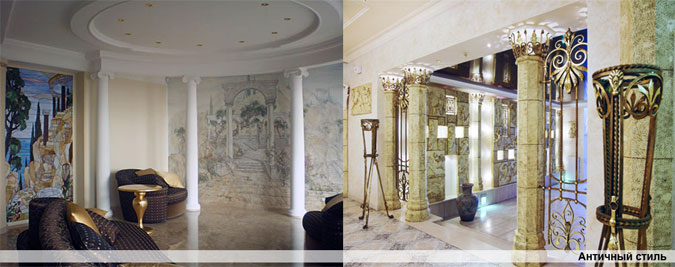
Antique style
Antique style is a design approach that celebrates the elegance and craftsmanship of bygone eras. It
emphasizes classic forms, ornate details, and timeless materials such as carved wood, marble, and rich
fabrics. Interiors in this style often feature furniture with intricate patterns, decorative moldings, and
subtle patinas that suggest history and character. Antique style creates a sense of refinement and nostalgia,
blending historical authenticity with a warm, inviting atmosphere that honors the artistry of the past.
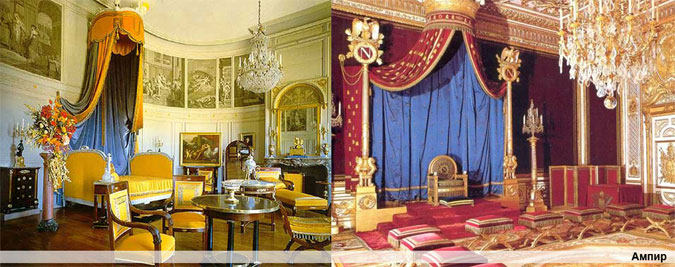
Empire style
Empire style is a bold and majestic design approach that emerged in the early 19th century, inspired by the
grandeur of ancient Rome and Napoleon’s reign. Characterized by symmetrical layouts, strong geometric forms,
and lavish ornamentation, this style emphasizes luxury and authority. Interiors often feature rich materials
such as mahogany, gilded accents, and marble, alongside motifs like laurel wreaths, eagles, and classical
columns. Furniture in Empire style combines elegance with monumental presence, while textiles display deep,
saturated colors and intricate patterns, creating spaces that feel both regal and harmonious.
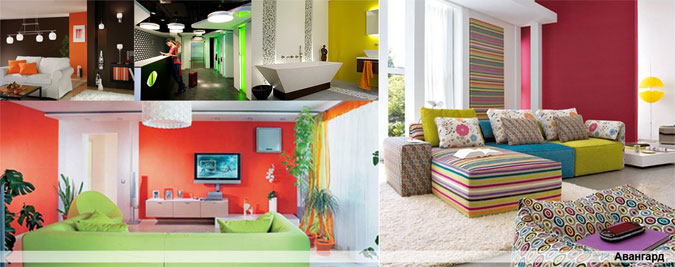
Avant-garde
The avant-garde style in architecture and interior design is defined by its bold experimentation and rejection
of traditional forms. It emphasizes unusual shapes, unexpected materials, and innovative spatial concepts that
challenge conventional perception. Interiors in this style often combine asymmetry, fluid lines, and striking
contrasts, creating environments that feel dynamic and futuristic. Avant-garde design is less about comfort
and more about pushing boundaries, turning everyday spaces into expressive statements of creativity and
vision.
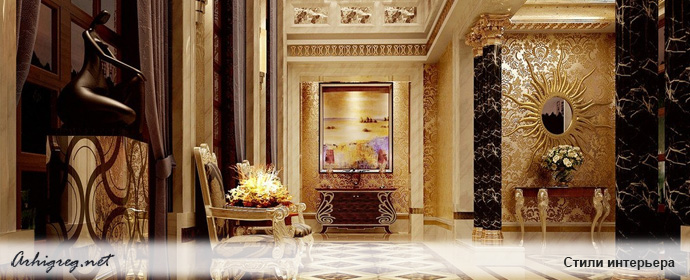
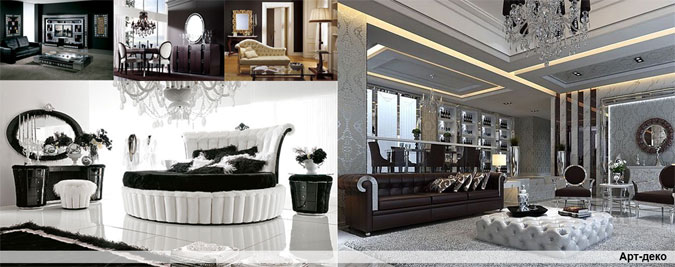
Art Deco
Art Deco is a sophisticated design style that emerged in the early 20th century, characterized by bold
geometry, streamlined forms, and luxurious materials. It blends modernity with elegance, often featuring rich
colors, metallic accents, and symmetrical patterns that create a sense of glamour and opulence. In interiors,
Art Deco emphasizes polished surfaces, decorative motifs, and a harmonious balance between functionality and
artistic expression, resulting in spaces that feel both stylish and timeless.
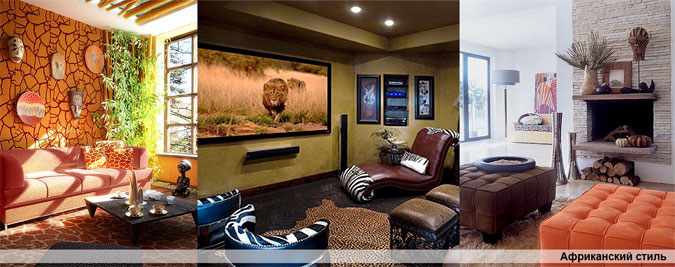
African style
African style in interior design is a celebration of the continent’s rich cultural heritage, combining earthy
textures, bold patterns, and natural materials to create a warm, vibrant atmosphere. This style often
incorporates handcrafted wooden furniture, woven textiles, and distinctive motifs inspired by tribal art,
while colors like ochre, terracotta, deep browns, and sunset oranges evoke the landscapes of Africa. Lighting
and accessories are chosen to highlight texture and form, creating spaces that feel organic, expressive, and
deeply connected to nature.
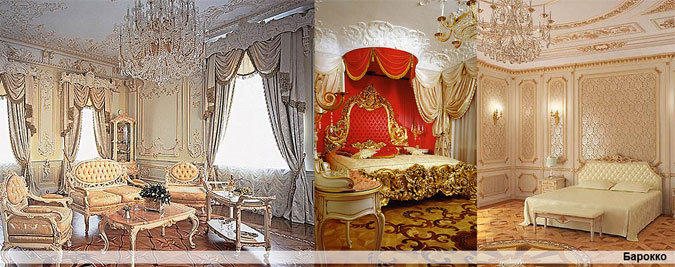
Baroque
The Baroque style in interior design is characterized by dramatic grandeur and theatrical elegance. It
embraces opulent ornamentation, sweeping curves, and intricate detailing, creating spaces that feel rich,
dynamic, and full of movement. In Baroque interiors, luxurious materials such as gilded wood, marble, and rich
textiles combine with elaborate ceiling frescoes, ornate moldings, and sculptural furniture to convey a sense
of power and sophistication. This style thrives on contrast and visual drama, balancing symmetry with fluid,
flowing forms, and turning each room into an immersive, artful experience that celebrates both craftsmanship
and extravagance.
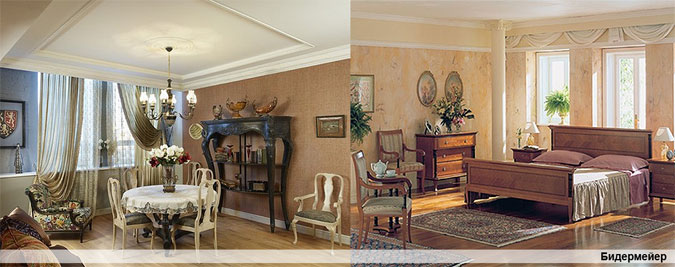
Biedermeier
The Biedermeier style in interior design embodies understated elegance and practical comfort, emerging in
early 19th-century Central Europe. Characterized by clean lines, light wood finishes, and restrained
ornamentation, it reflects a focus on functional living spaces that are both inviting and refined. Interiors
in this style often feature simple yet graceful furniture, soft color palettes, and harmonious proportions,
creating an atmosphere of cozy sophistication that balances everyday practicality with subtle aesthetic charm.
Venetian style
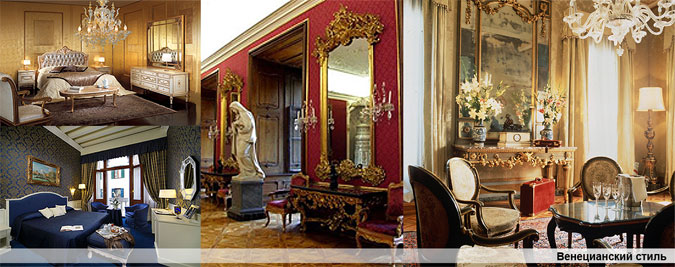
The Venetian style in interior design evokes the grandeur and romance of Italy’s legendary city of canals,
blending opulent textures, rich colors, and intricate craftsmanship. Characterized by gilded accents, ornate
mirrors, hand-painted details, and luxurious fabrics such as velvet and silk, this style transforms a space
into a theatrical and elegant environment. Venetian interiors often feature arched windows, decorative
columns, and artistic frescoes, creating a sense of timeless sophistication and historical charm while
celebrating artistry and refined aesthetics in every element of the room.
Gothic style
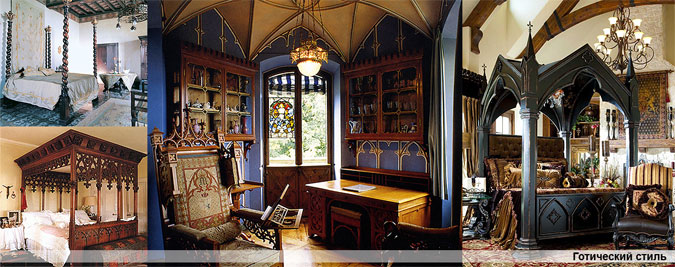
Gothic style in interior design transforms spaces into dramatic, atmospheric environments defined by
verticality, intricate detailing, and a sense of grandeur. Characterized by pointed arches, ornate moldings,
and elaborate tracery, this style emphasizes height and light, often incorporating stained glass-inspired
elements and dark, rich color palettes. Furniture and décor reflect craftsmanship and complexity, with carved
wood, wrought iron, and textured fabrics creating a sense of historical depth. Gothic interiors evoke a
mysterious elegance, combining medieval inspiration with a theatrical, almost poetic ambiance that captivates
and inspires.
Egyptian style
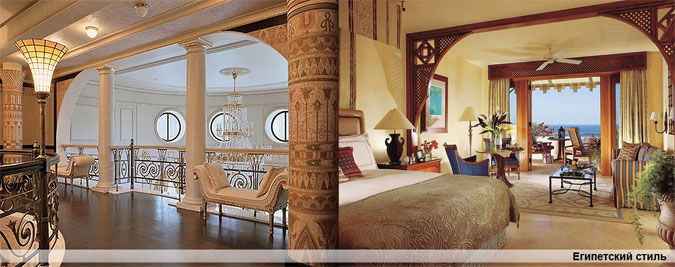
The Egyptian style in interior design captures the grandeur and mystique of ancient Egypt, blending symbolic
motifs with rich textures and colors. Characterized by geometric patterns, hieroglyph-inspired décor, and
luxurious materials like gold, dark wood, and polished stone, this style evokes a sense of timeless elegance.
Interiors often feature sculptural elements, papyrus or lotus-inspired details, and bold contrasts of deep
blues, reds, and sandy tones, creating spaces that feel both ceremonial and warm, reminiscent of the opulent
palaces along the Nile.
Indian style
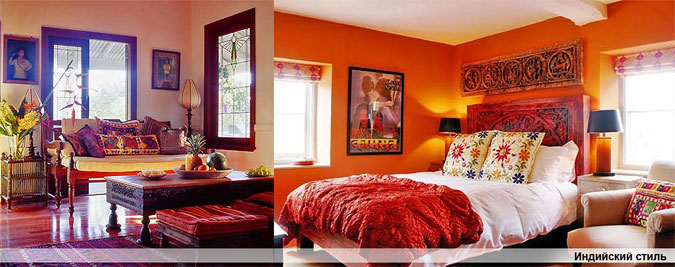
Indian style in interior design is a vibrant celebration of color, texture, and cultural heritage. It blends
rich fabrics, intricate patterns, and handcrafted details with natural materials such as wood, stone, and
brass. Bold jewel tones, ornate textiles, carved furniture, and decorative accents like lanterns or
traditional artwork create a warm, inviting, and exotic atmosphere. The style often harmonizes spirituality
and craftsmanship, combining functionality with visual storytelling that reflects India’s diverse traditions
and regional aesthetics.
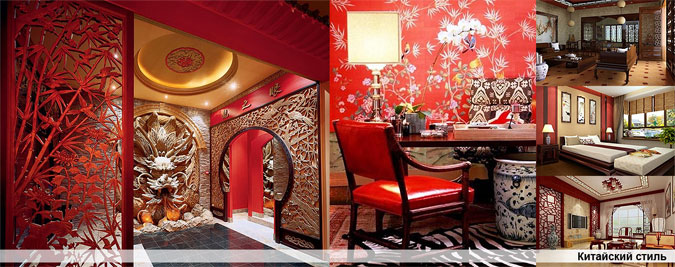
Chinese style
Chinese style in interior design is a harmonious blend of tradition, symbolism, and natural elements, creating
spaces that evoke balance and serenity. Characterized by clean lines, wooden furniture with intricate
carvings, and the thoughtful use of colors such as red, gold, and black, this style reflects cultural values
and philosophical principles like Feng Shui. Decorative screens, porcelain accents, calligraphy, and bamboo
details bring both elegance and authenticity, while the careful arrangement of space emphasizes tranquility,
order, and a deep connection to nature.
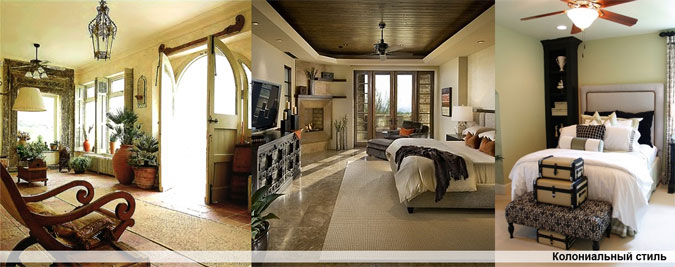
Colonial style
Colonial style in interior design reflects a timeless blend of elegance and simplicity, inspired by the
architecture and decor of early European settlements. Characterized by sturdy wooden furniture, muted color
palettes, and practical layouts, this style emphasizes craftsmanship and natural materials. Interiors often
feature classic details such as paneled walls, symmetrical arrangements, and subtle decorative accents,
creating spaces that feel warm, orderly, and historically grounded while maintaining a sense of understated
sophistication.
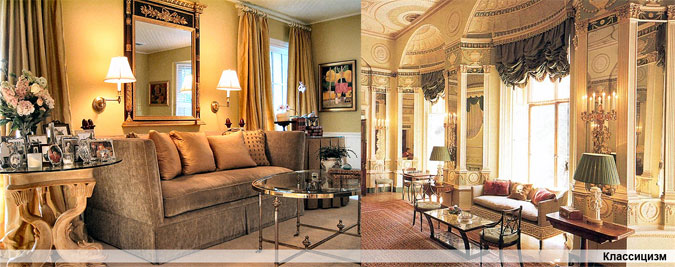
Classicism
Classicism in interior design embodies timeless elegance, harmony, and balance. It draws inspiration from the
principles of ancient Greek and Roman architecture, emphasizing symmetry, proportion, and refined decorative
details. Interiors in this style often feature ornate moldings, columns, luxurious fabrics, and carefully
curated furniture that reflects order and sophistication. The palette tends to be restrained and neutral,
highlighting the craftsmanship and subtle beauty of each element. Classicism creates spaces that feel
dignified, serene, and enduring, where every detail contributes to a sense of harmony and refined taste.
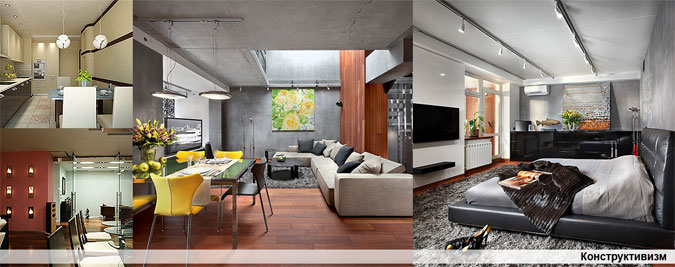
Constructivism
Constructivism in interior design is a bold, geometric approach that emphasizes functionality and structural
clarity. Characterized by clean lines, industrial materials, and an absence of unnecessary ornamentation, this
style transforms living spaces into visually striking yet highly practical environments. It celebrates the
interplay of form and purpose, using modular furniture, exposed structural elements, and dynamic spatial
arrangements to create interiors that feel both modern and purposeful, reflecting a philosophy where design
serves society as much as aesthetics.
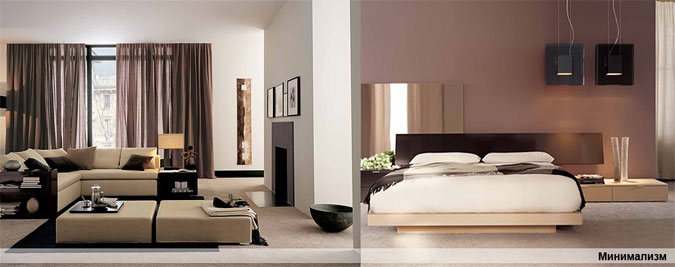
Minimalism
Minimalism in interior design is a style that emphasizes simplicity, functionality, and clarity. It strips
spaces down to their essential elements, focusing on clean lines, open layouts, and neutral color palettes.
Every object has a purpose, and visual clutter is removed to create a calm, balanced, and harmonious
environment. This approach highlights quality over quantity, letting materials, light, and space become the
true stars of the room, resulting in interiors that feel serene, organized, and timeless.
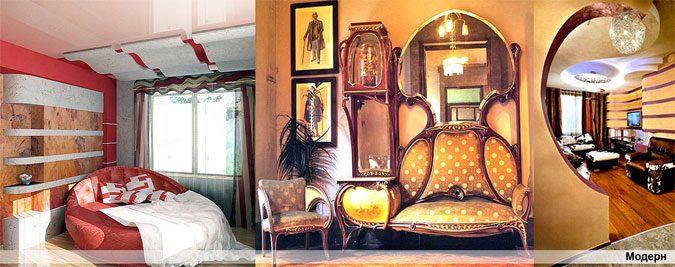
Modern
The Modern style in interior design embraces simplicity, functionality, and clean lines, creating spaces that
feel open, airy, and uncluttered. It emphasizes natural light, neutral color palettes, and materials such as
glass, steel, and wood, blending form and practicality seamlessly. Modern interiors often highlight geometric
shapes and minimal ornamentation, allowing furniture and architectural elements to speak for themselves. This
style prioritizes comfort without sacrificing elegance, offering a timeless aesthetic that balances
sophistication with everyday livability.
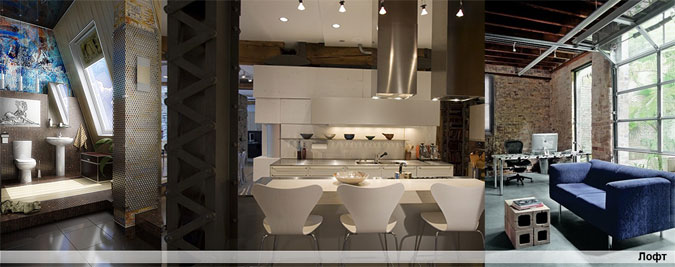
Loft style
Loft style in interior design is characterized by its raw, industrial aesthetic combined with open, airy
spaces. Originating from converted warehouses and factories, this style emphasizes exposed brick walls,
visible ductwork, and structural elements as part of the decor. High ceilings, large windows, and minimal
partitions create a sense of spaciousness, while furniture and accessories often blend modern simplicity with
rugged, reclaimed materials. The overall effect is a stylishly unfinished look that balances functionality,
creativity, and urban sophistication.
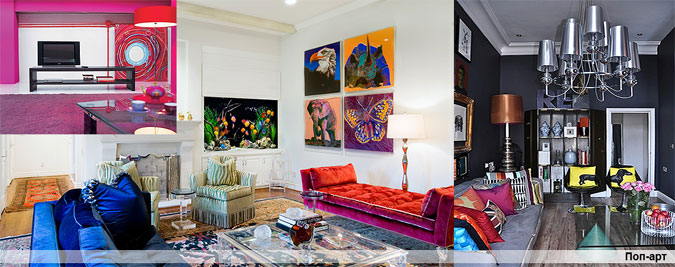
Pop Art
Pop Art in interior design is a vibrant and playful style that transforms everyday spaces into bold, visually
striking environments. Characterized by bright, saturated colors, graphic patterns, and unexpected
juxtapositions, it draws inspiration from popular culture, comics, and advertising. Furniture and decor often
feature exaggerated shapes, iconic imagery, and whimsical details, creating a lively atmosphere that
celebrates fun, creativity, and the fusion of art with daily life. This style turns interiors into energetic,
eye-catching spaces where color and imagination take center stage.
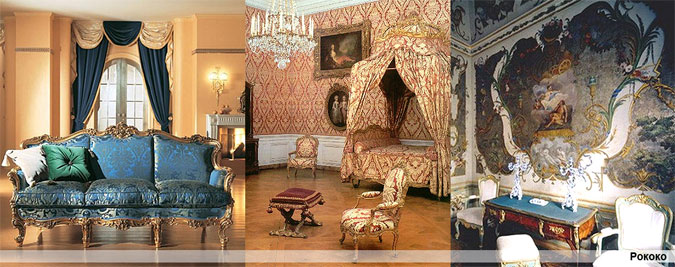
Rococo
Rococo in interior design is a celebration of elegance, playfulness, and intricate detail. Originating in
18th-century France, this style transforms spaces into light, airy, and highly decorative environments,
characterized by ornate curves, gilded accents, pastel colors, and delicate motifs inspired by nature. In
Rococo interiors, furniture, mirrors, and chandeliers are not merely functional—they become sculptural art,
contributing to an overall sense of whimsy and sophistication. The style emphasizes intimacy and comfort,
creating rooms that feel both luxurious and inviting, where every decorative element tells a story of
refinement and artistic flourish.