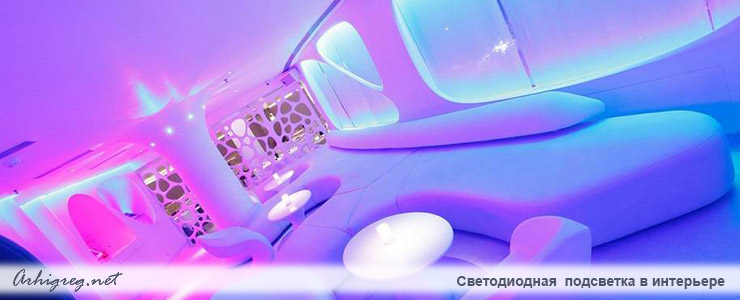
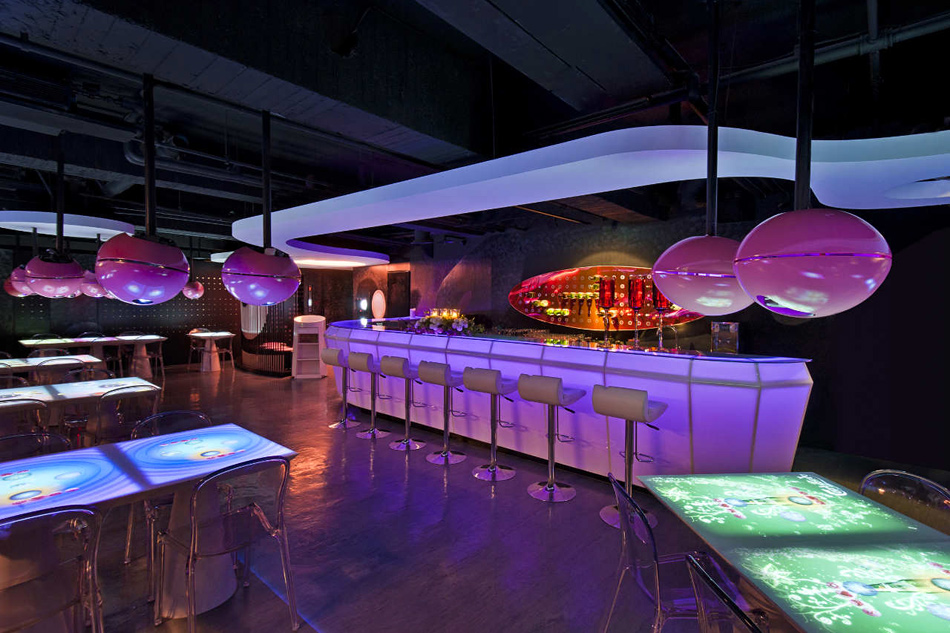
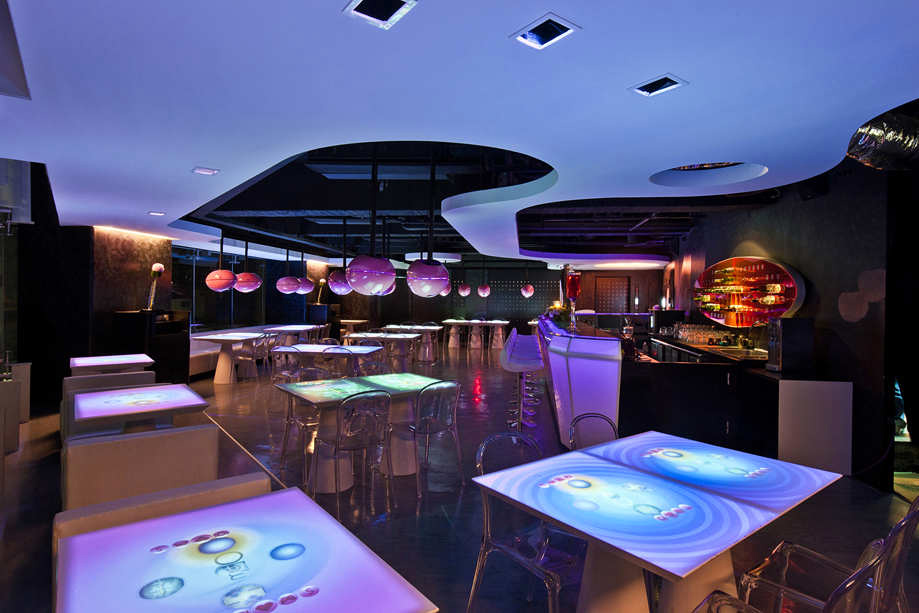
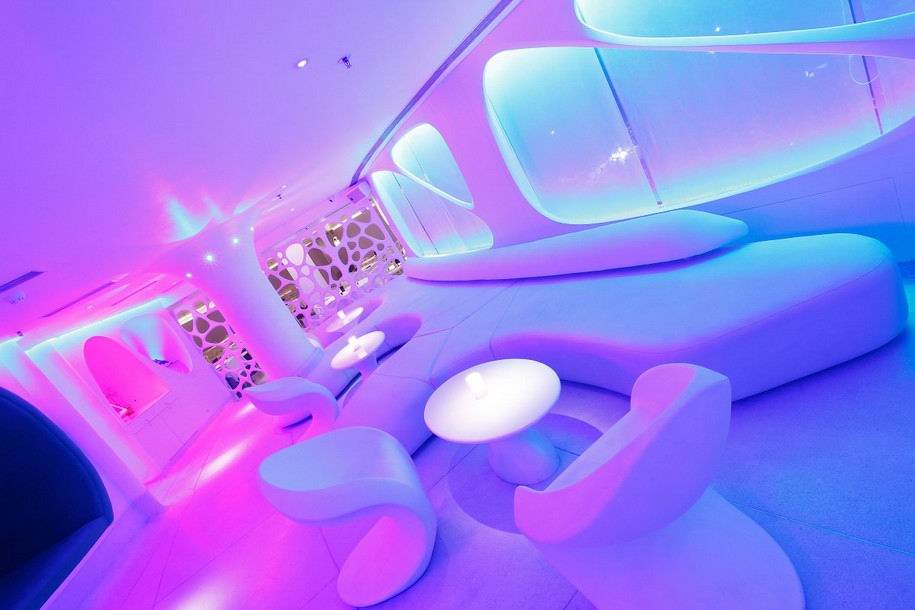
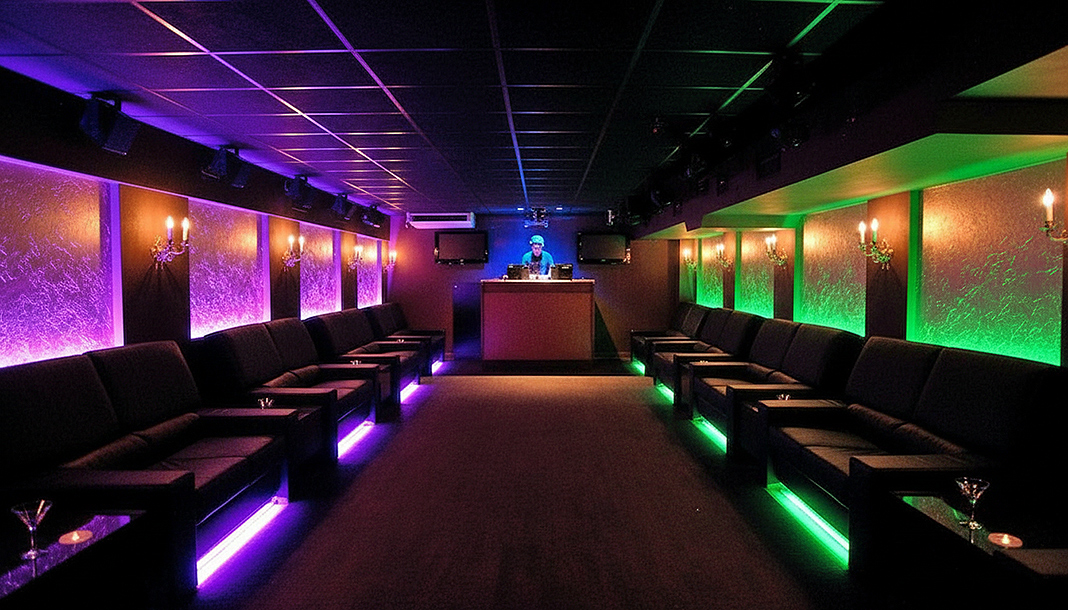
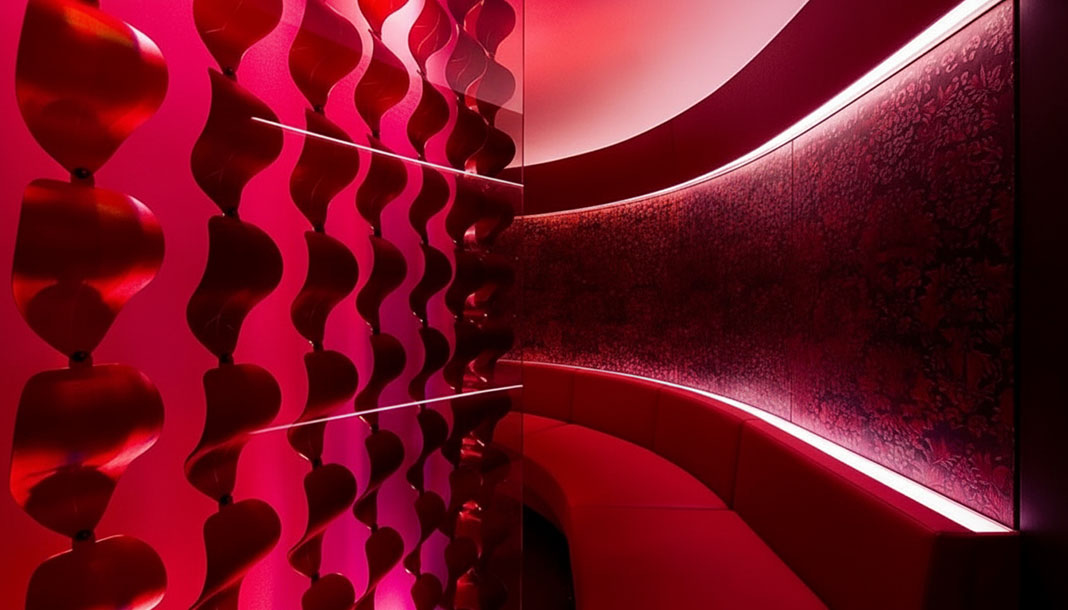
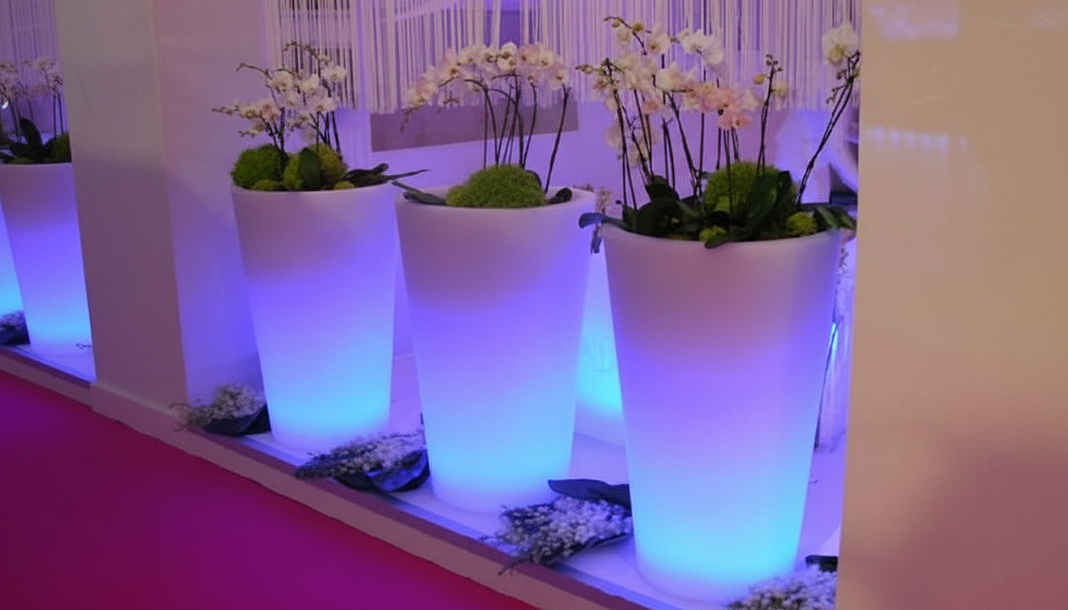
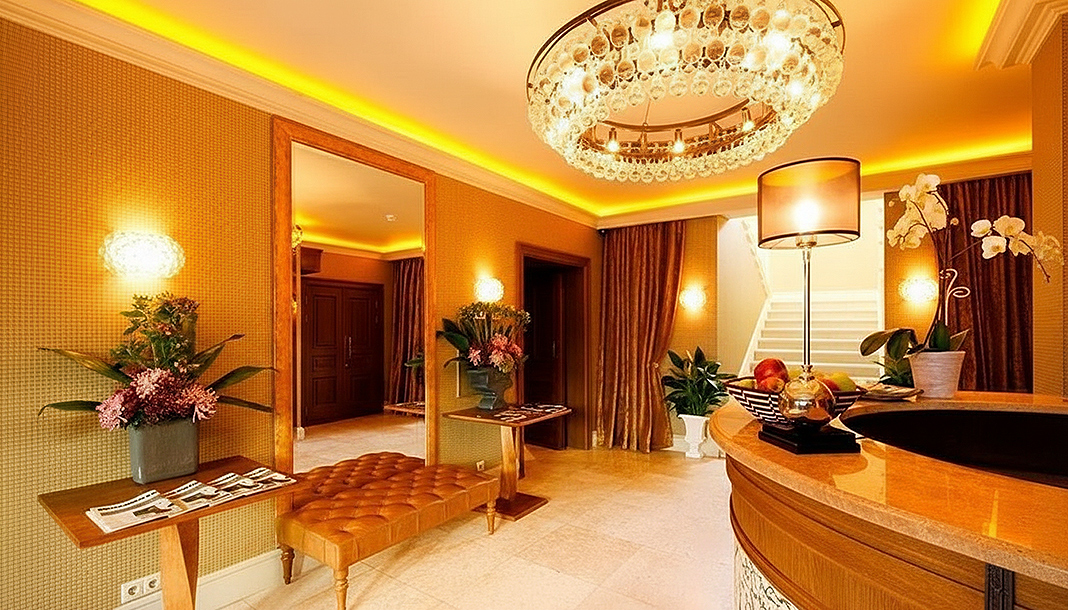
Another popular application is decorative accent lighting. LED strips can visually separate different surfaces
such as walls and ceilings or floors and walls. This subtle lighting technique enhances the geometry of the
room and gives the interior a more dynamic appearance. When installed under furniture, LED strips create a
striking floating effect that makes cabinets, sofas, beds, or kitchen islands appear suspended above the
floor. Even everyday objects can take on a completely new character when illuminated from below or behind.
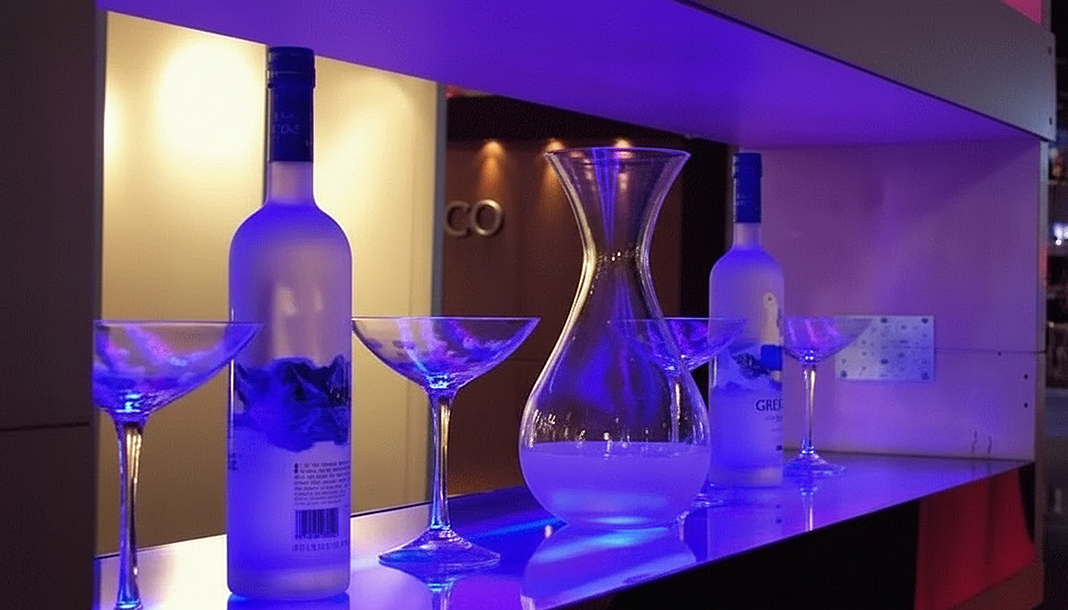
Furniture lighting is another area where LEDs demonstrate their flexibility. LED strips can be placed under
window sills, inside shelving units, behind mirrors, along bar counters, or inside glass cabinets. This not
only improves visibility but also adds a soft decorative glow that enriches the overall atmosphere of the
room. Many LED strips come with adhesive backing, making installation relatively simple on surfaces such as
cornices, frames, countertops, or cabinetry.
LED lighting is also extremely useful for staircases. Installing LED strips along stair steps improves safety
by clearly defining each step in low-light conditions. At the same time, this lighting solution transforms a
staircase into an impressive architectural feature. The gentle glow adds elegance while providing practical
nighttime illumination. Despite the many advantages of LED lighting, it is important to use it thoughtfully
within the overall design concept. Not every interior style benefits from hidden LED illumination. For
example, traditional decorative styles such as Baroque, Empire, rustic country interiors, or many ethnic
designs typically rely on classical lighting elements rather than modern LED accents. In these styles, visible
light sources such as chandeliers, lamps, and sconces play a more authentic role in the composition.
LED lighting is most appropriate in contemporary design directions. Styles such as minimalism, hi-tech,
constructivism, loft, and pop art often incorporate LED illumination as an integral visual element. In these
interiors, designers may experiment with different colors and dynamic lighting effects to emphasize modern
materials and architectural lines. In more classical interiors, however, restraint is important. Colorful
lighting is rarely appropriate in traditional living rooms, bedrooms, or kitchens. Instead, designers usually
prefer neutral tones such as warm white or soft yellow LED light. In these spaces, LED strips are typically
used only for subtle ceiling or niche lighting to maintain an elegant and balanced atmosphere.
Another important factor to consider when selecting LED lighting is color temperature. Designers often
distinguish between “warm” and “cool” light. Warm light creates a comfortable, inviting atmosphere that works
well in residential interiors such as living rooms, bedrooms, and dining areas. Cool white light, on the other
hand, produces a sharper and more technical appearance. Because of this, it is generally better suited for
outdoor landscaping, commercial environments, or architectural exterior lighting rather than cozy home
interiors.
When used correctly, hidden LED lighting becomes a powerful design tool. It enhances spatial perception,
highlights architectural details, and adds depth and character to a room. Even familiar objects and surfaces
can look completely different when illuminated with carefully positioned LED strips.
Today, LED lighting allows homeowners and designers to experiment with light in ways that were previously
difficult or expensive to achieve. Whether used for subtle accents or dramatic visual effects, hidden LED
illumination can transform an ordinary interior into a sophisticated and visually engaging space with a unique
atmosphere.