Despite the fact that Lacoste did not have formal academic training in digital art at the time, his work
impressed the studio's leadership. He was invited for an interview and soon received an opportunity that would
define his career. Ubisoft offered him a key creative role working on a new game project that was still
largely unknown to the public — Prince of Persia.
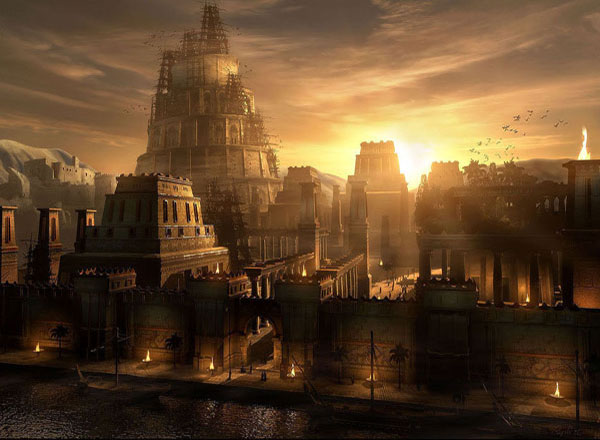
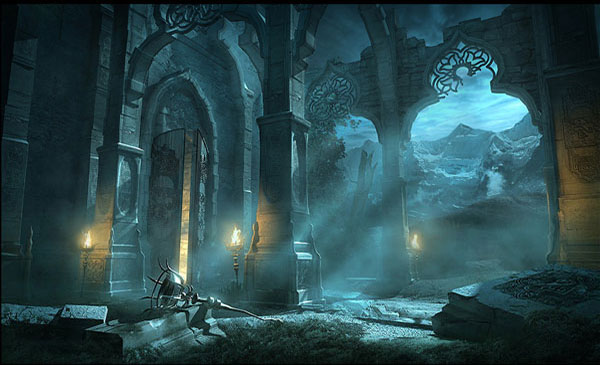
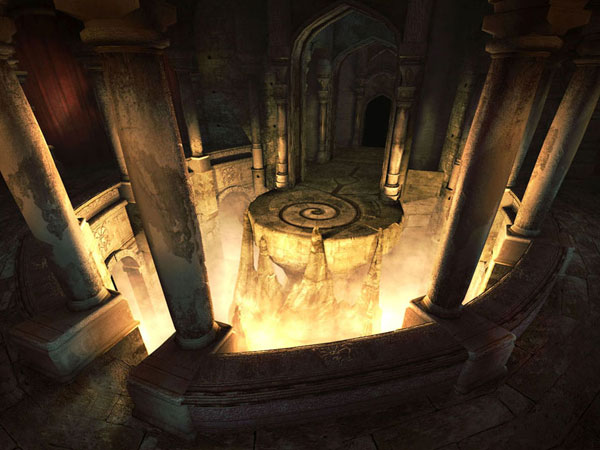
His artistic direction played a significant role in shaping the visual identity of the game. The architectural
style, dramatic lighting, and atmospheric environments helped create a distinctive mood that separated the
series from other titles of that era. The success of the project quickly elevated the game's popularity and
demonstrated the importance of strong visual storytelling in game development.
Following this achievement, Lacoste continued working with Ubisoft on another ambitious franchise. His work
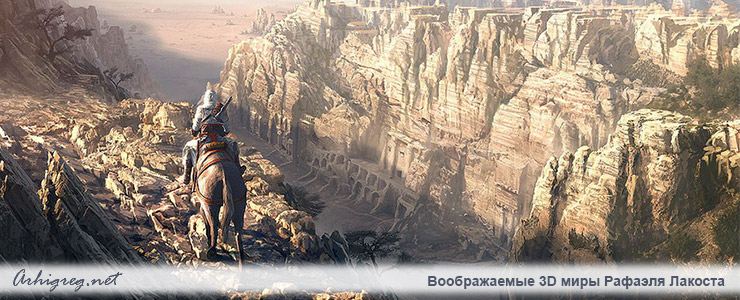
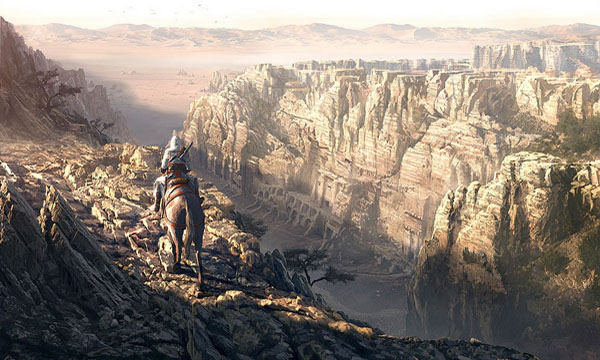
contributed to the development of the iconic historical worlds seen in Assassin's Creed. The richly detailed
cities, monumental architecture, and dramatic landscapes helped establish the series as one of the most
recognizable franchises in the gaming industry.
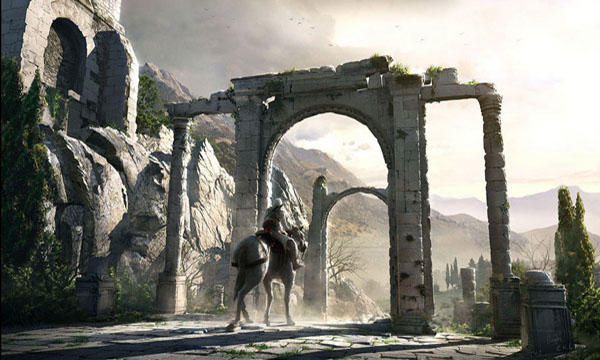
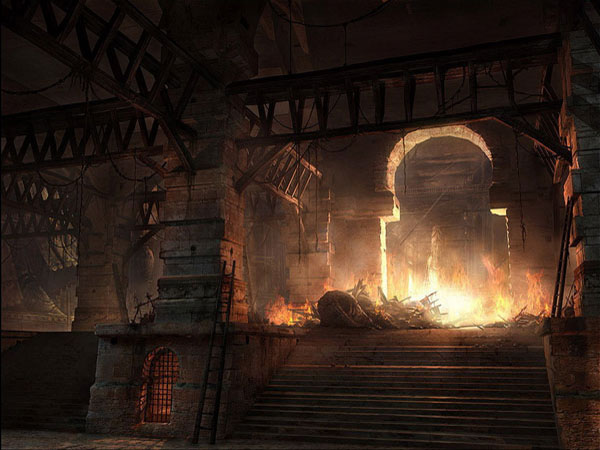
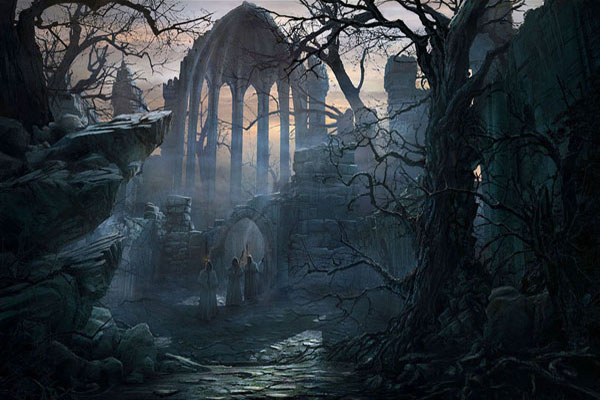
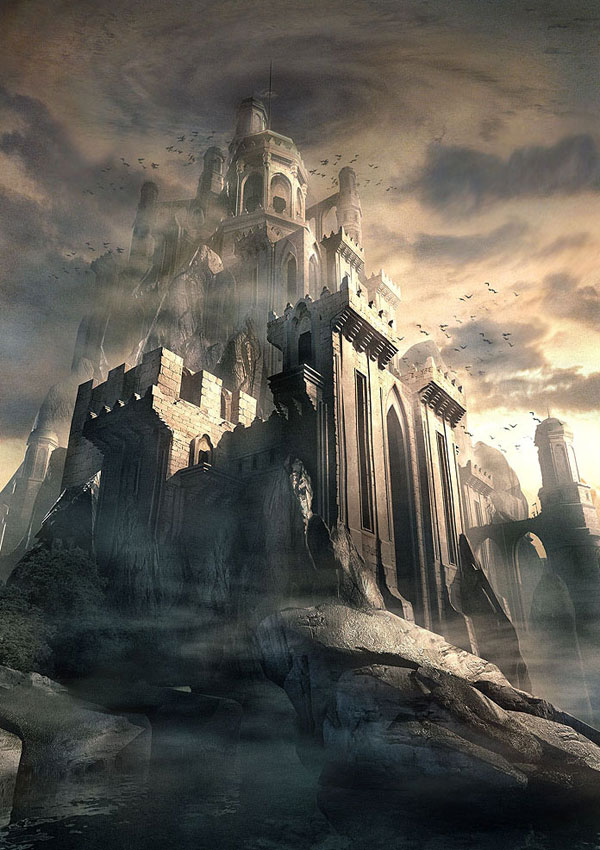
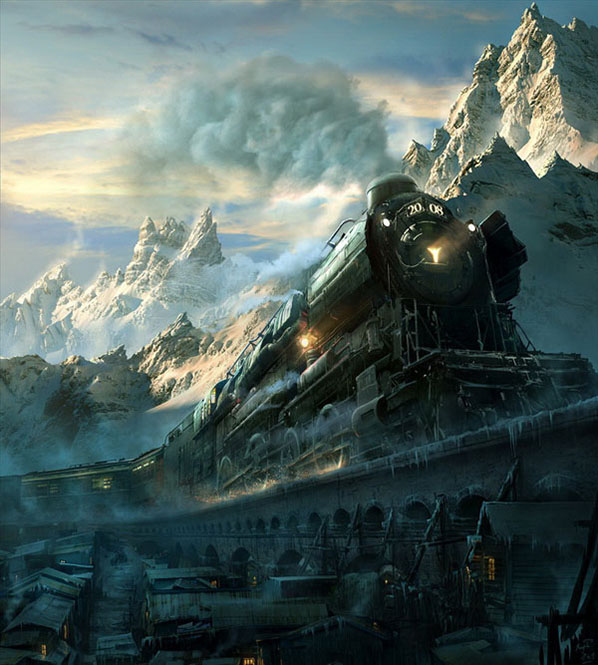
Beyond his work in video games and film, Raphael Lacoste is also known for his independent digital artworks.
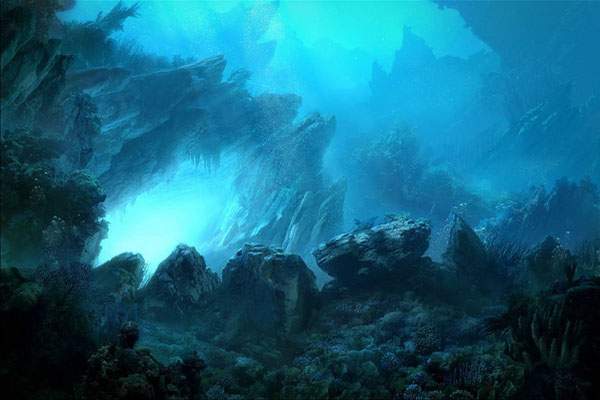
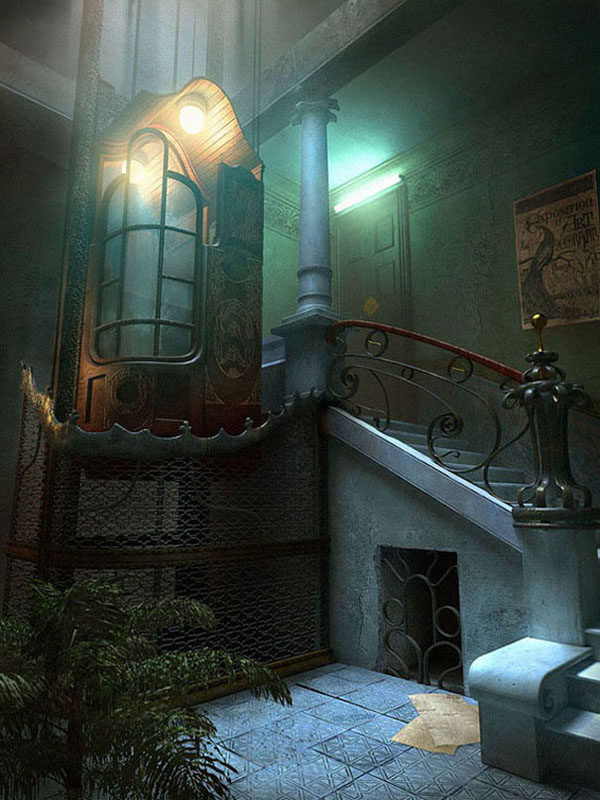
These pieces often depict vast imaginary worlds, ancient cities, monumental ruins, and mysterious landscapes.
His environments frequently feel both fantastical and believable, combining historical inspiration with
creative imagination. Many viewers are drawn to the scale and atmosphere of these scenes, which leave a
lasting impression long after viewing.
One of the defining characteristics of Lacoste's style is his careful use of atmosphere. Fog, volumetric
lighting, and subtle environmental effects give depth and emotion to his compositions. These techniques create
a sense of distance and scale while also guiding the viewer's attention through the image. The result is
artwork that feels cinematic, immersive, and highly detailed.
From a technical perspective, Raphael Lacoste often builds his scenes using 3ds Max, a professional 3D
modeling and rendering software widely used in visual production. For rendering he frequently relies on the
V-Ray engine, which allows artists to achieve realistic lighting and materials. After rendering the base
image, he refines the final composition in Adobe Photoshop, where he enhances lighting, atmosphere, and fine
visual details.
This workflow — combining 3D modeling, realistic rendering, and digital painting — allows Lacoste to maintain
both precision and artistic freedom. It also helps him achieve the complex visual style that distinguishes his
work from that of many other digital artists.
Over the years Raphael Lacoste has become an inspiration for many young artists who want to work in the fields
of game development, film visual effects, and concept art. His career demonstrates that strong creative
vision, dedication, and passion for visual storytelling can open doors even without traditional academic
training.
Today his artworks continue to be widely admired by fans of digital art, concept design, and cinematic world
building. Through his projects in games, films, and personal art, Raphael Lacoste has established a
recognizable visual language that blends technical mastery with imagination. His worlds feel both epic and
believable, inviting viewers to explore landscapes that exist somewhere between history, fantasy, and the
limitless possibilities of digital creation.